Home
How to read appliance energy labels and repairability scores
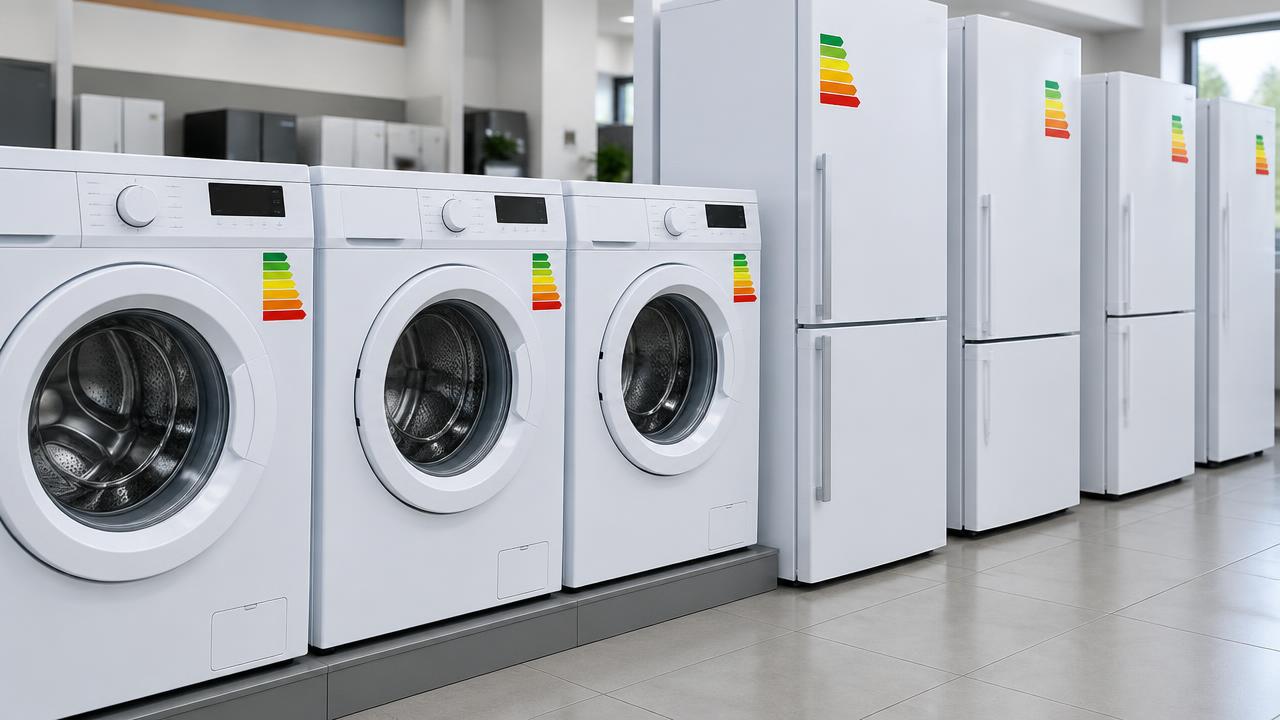
The letters on a fridge or washing machine box compress years of testing into a single glance, but the newer repairability index matters just as much for lifetime cost.

The letters on a fridge or washing machine box compress years of testing into a single glance, but the newer repairability index matters just as much for lifetime cost.
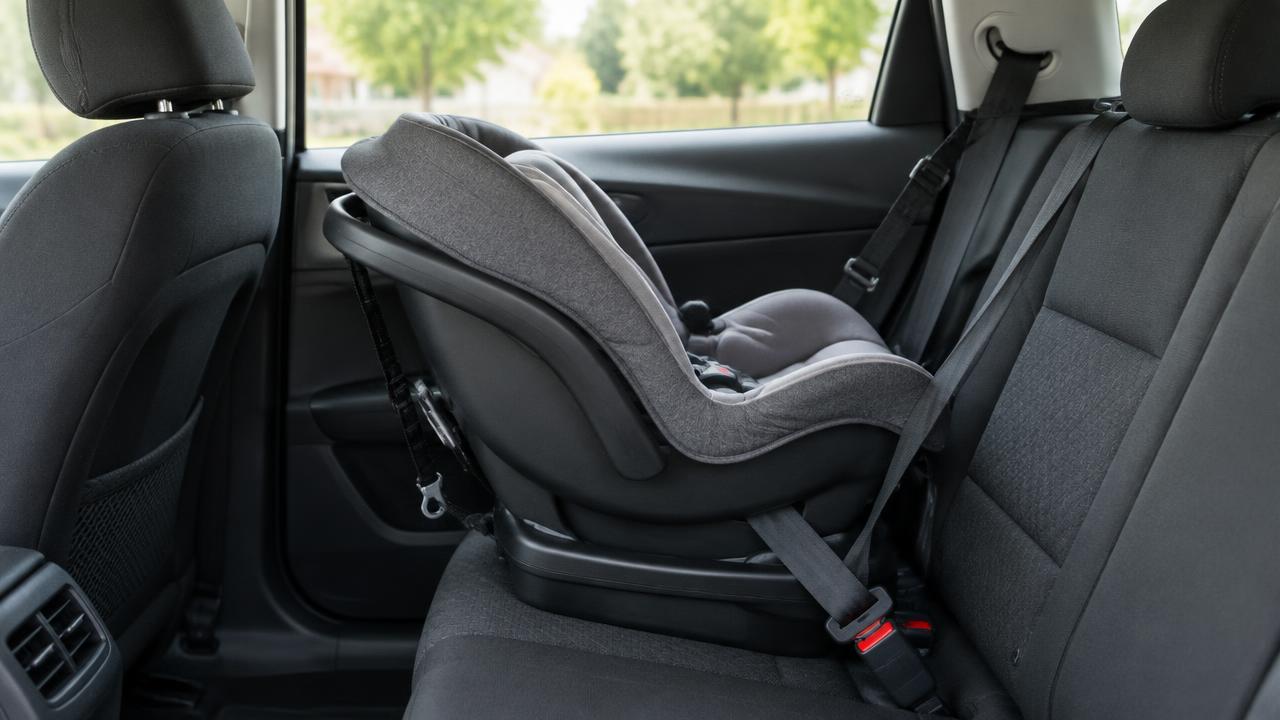
The safest seat on a test bench is not the safest seat in your back row. Fit to the vehicle and to the child's current size matters more than any star rating.
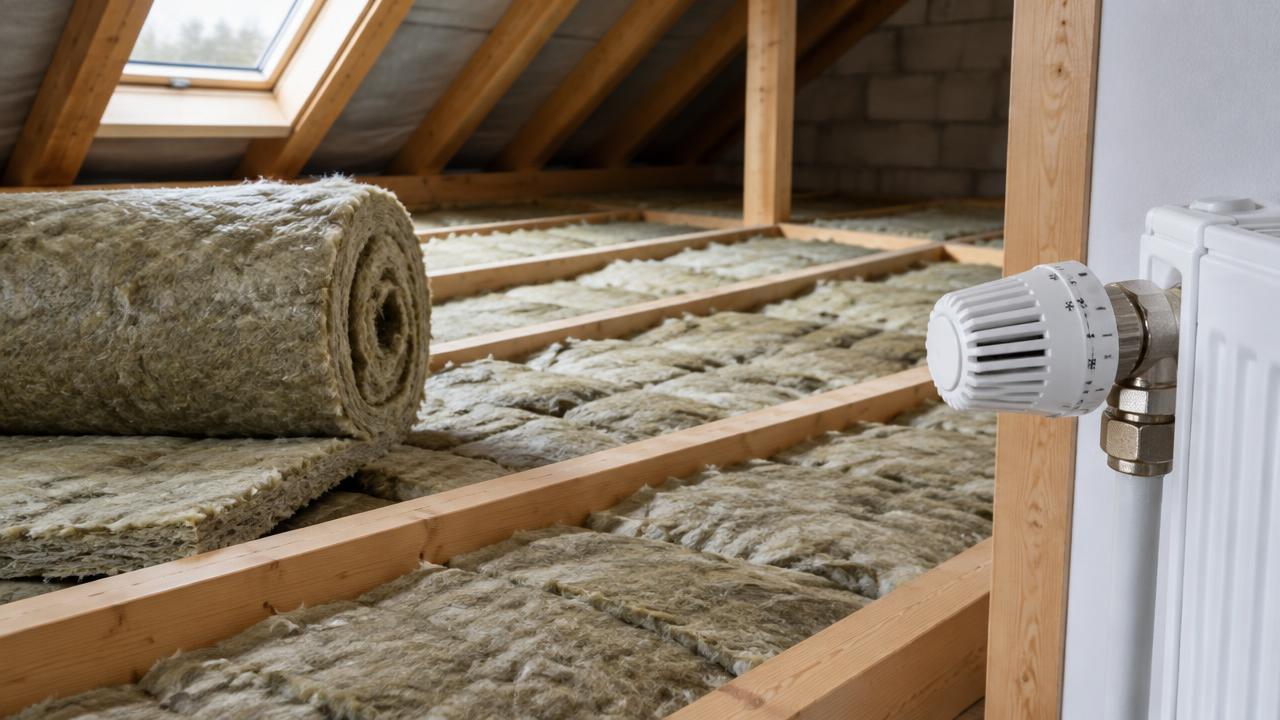
Boiler efficiency gets most of the attention, but the biggest swings in a winter bill usually come from the building envelope, not the appliance heating it.

Sleep guidance is often quoted as a single number. The research behind it describes a range, and the range matters more than the average.
Water and air testing kits return numbers most people have never been taught to interpret. Here is what the common measurements actually indicate.
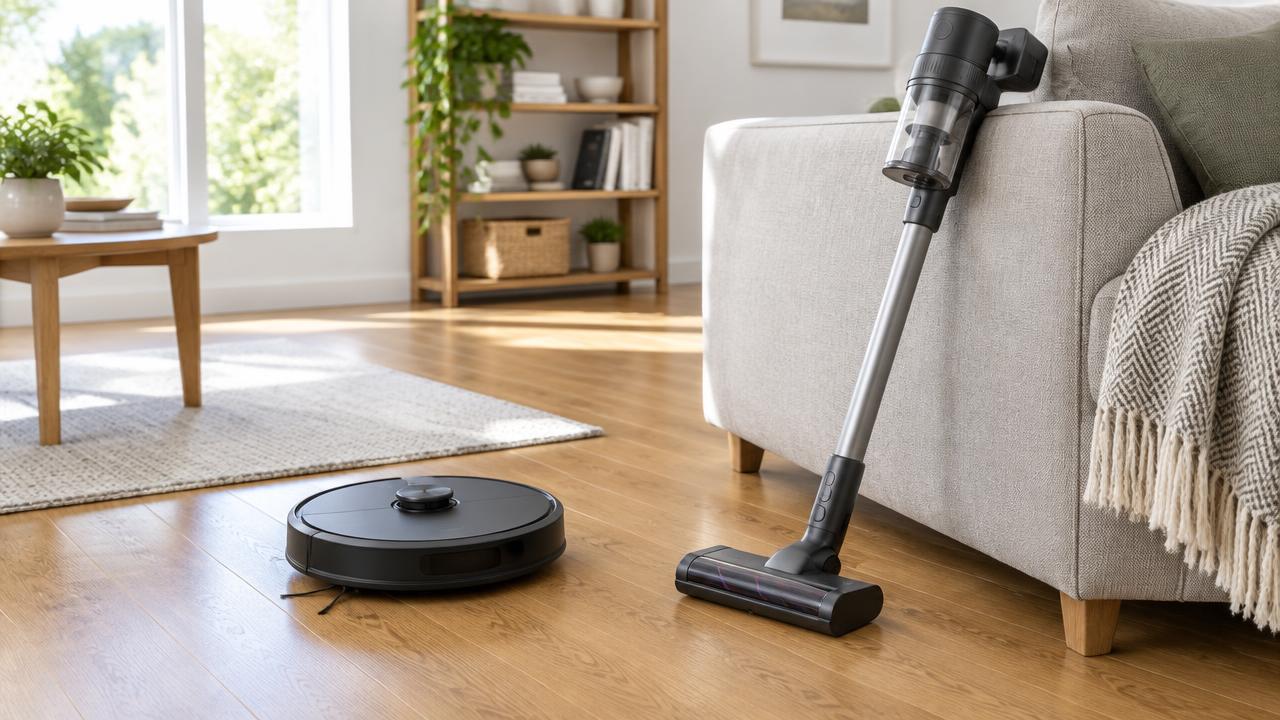
The two categories solve different problems. Choosing between them on price alone usually means solving the wrong one.

Hydrostatic head numbers and breathability figures on a jacket label are testable, comparable specifications, not marketing adjectives, once you know how to read them.
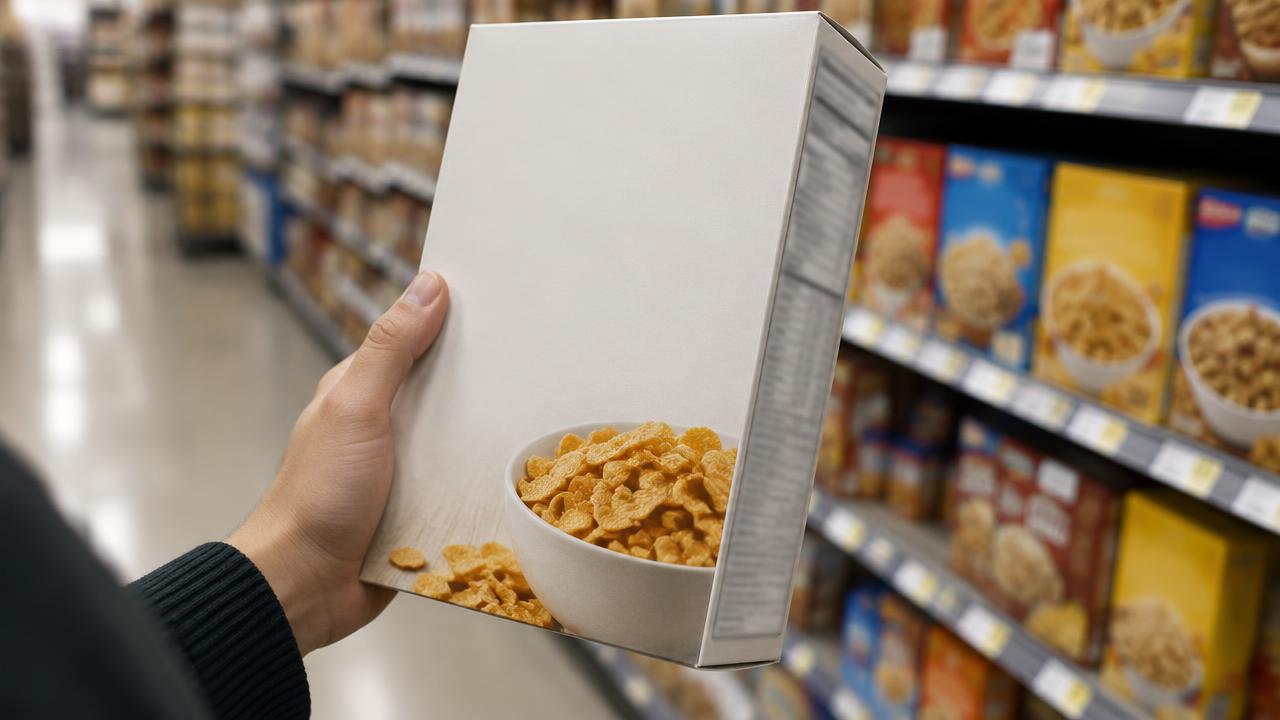
The panel on the back of a package carries more useful information than the marketing claims on the front, once you know which lines to check first.

Most backcountry incidents trace back to a small number of preventable gaps in planning, not to bad luck alone.
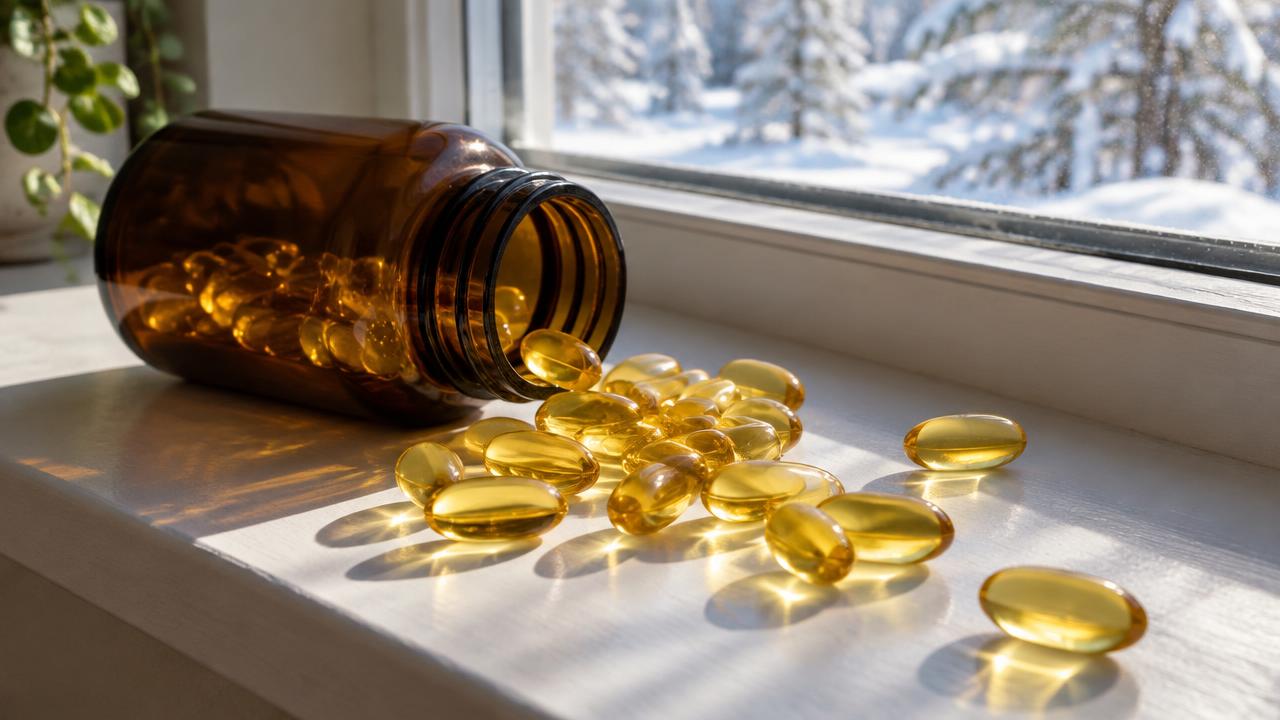
Vitamin D advice varies by country and by season, and it is more specific than the blanket recommendation many supplement aisles suggest.
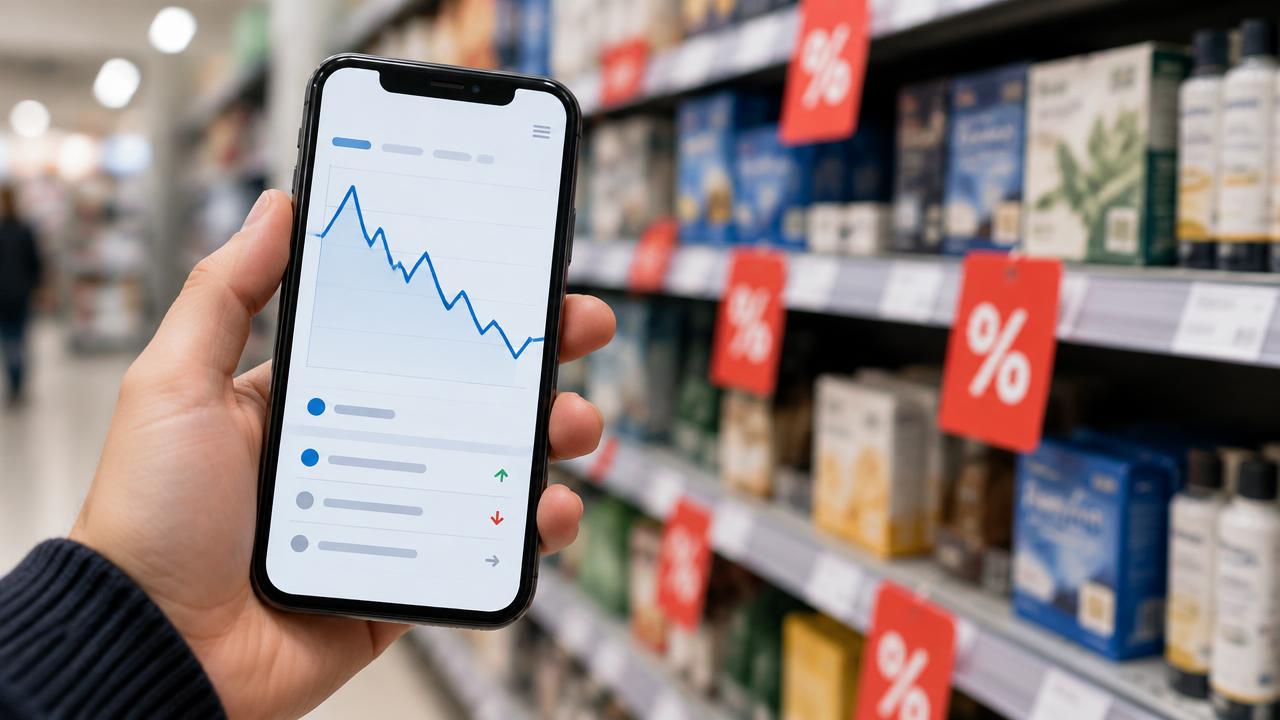
A percentage off an inflated reference price is not a bargain. Price-history tools and a few minutes of checking separate genuine reductions from staged ones.
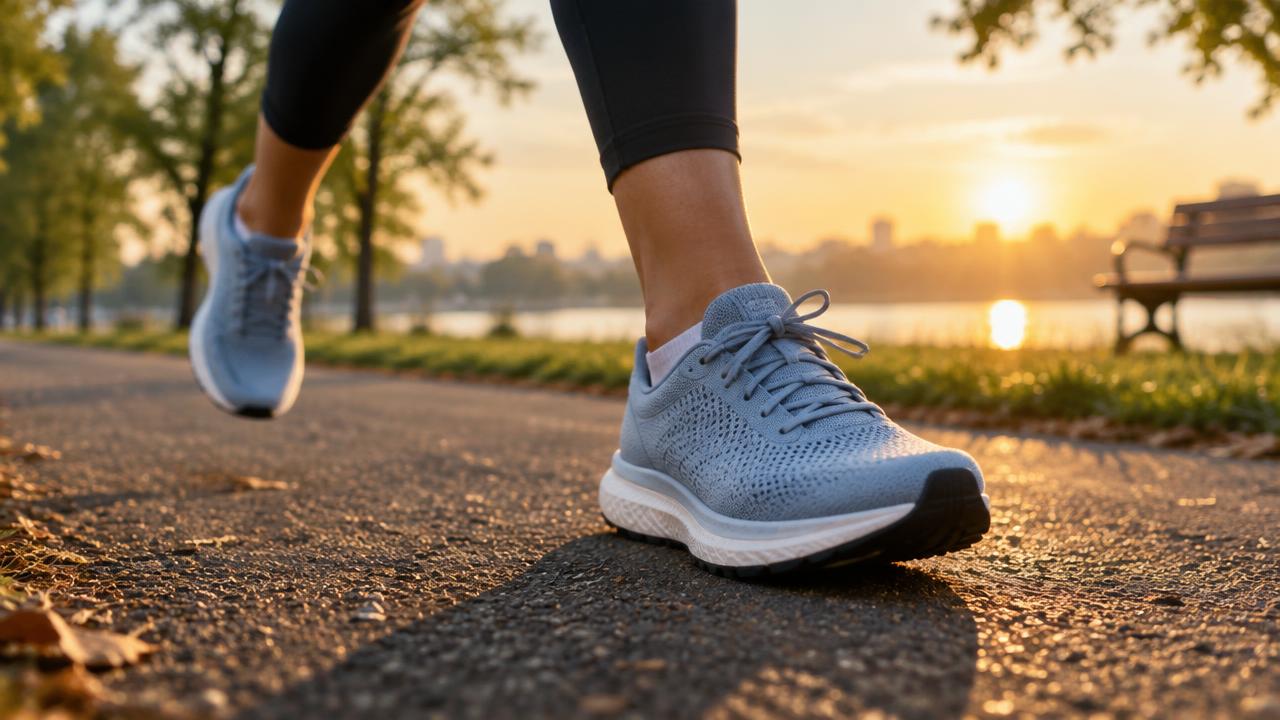
The old advice to match shoes to arch type has been quietly dropped by much of the sports-science community. Here is what current guidance suggests instead.
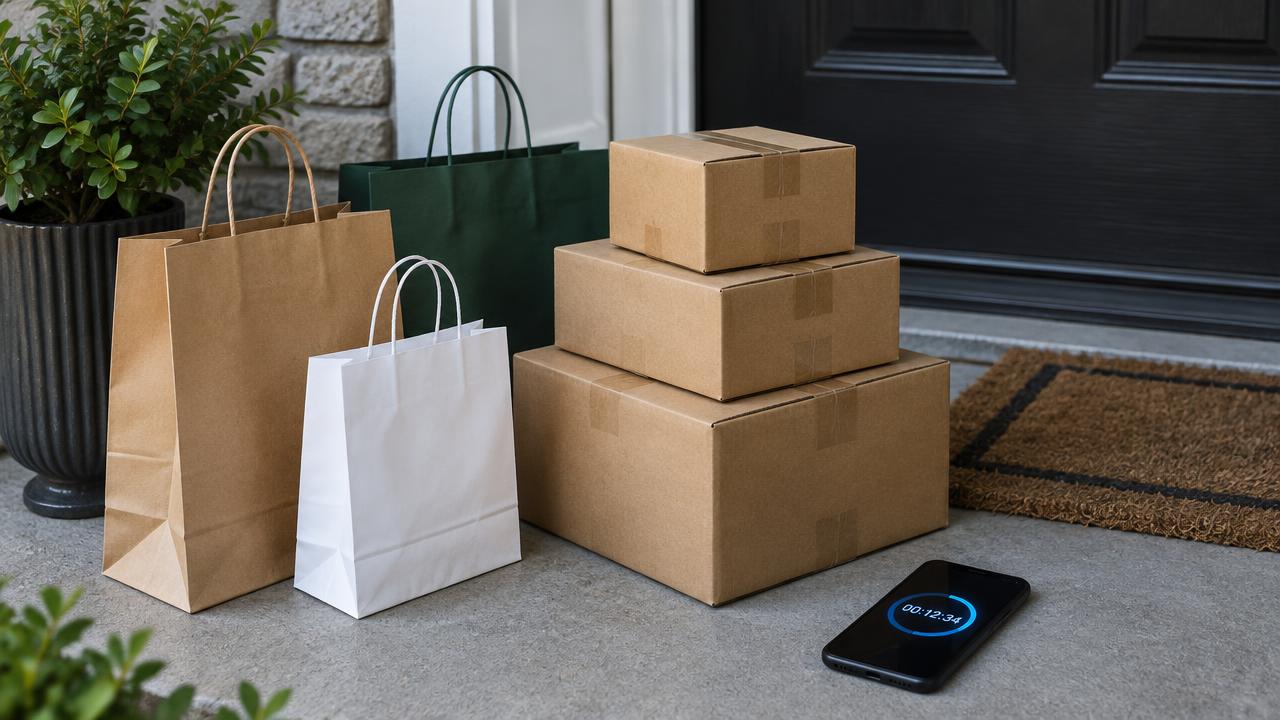
Time pressure and scarcity signalling are deliberate design choices, not accidents of high demand. Recognising the mechanism helps you separate genuine value from staging.

Age labels on packaging are a safety compliance statement as much as a developmental one. Reading them alongside the underlying standard prevents the most common accidents.
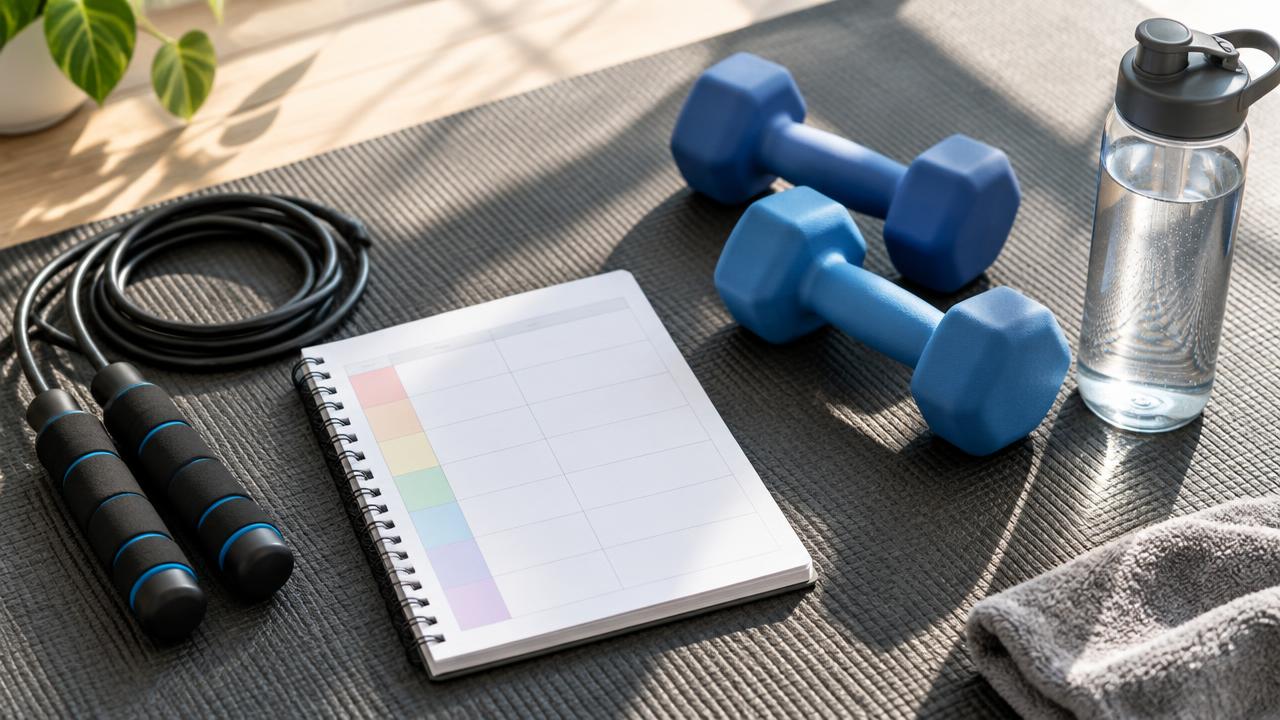
Global guidelines converge on a specific weekly range, and the detail behind the headline number changes how achievable it is.
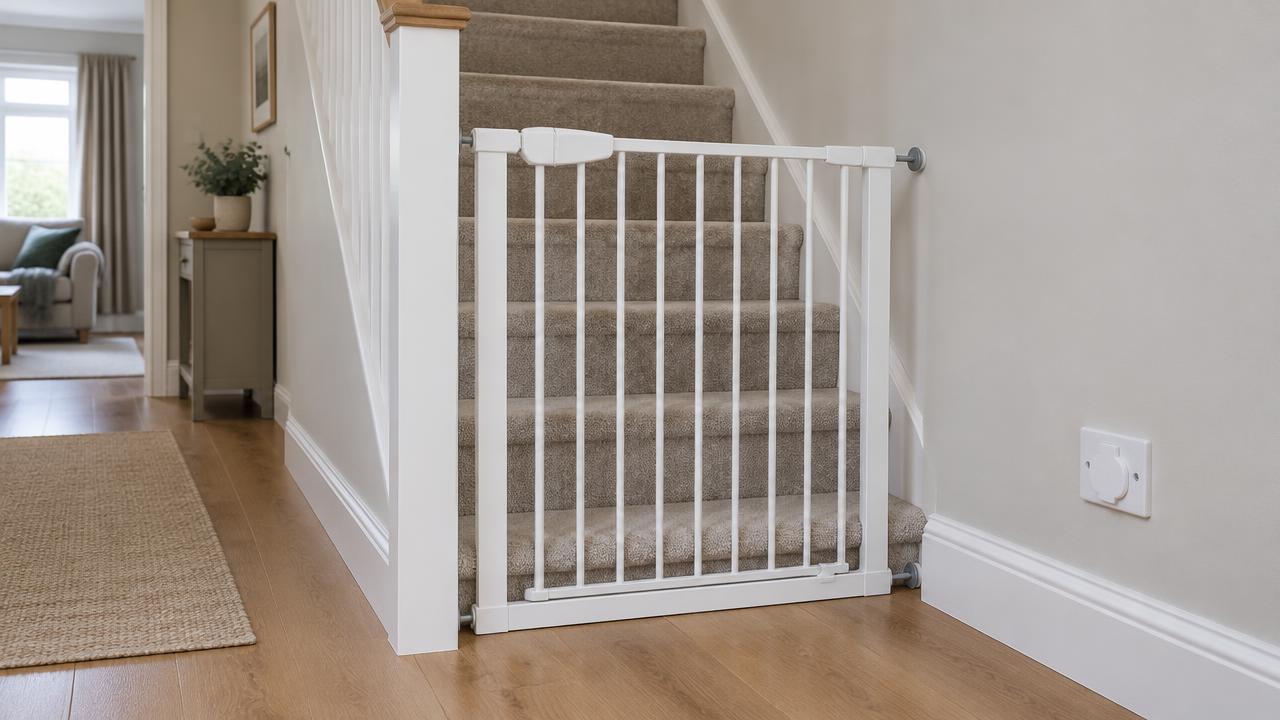
General childproofing advice covers dozens of low-probability risks. Injury data points to a much shorter list that deserves priority.

Completion certificates vary enormously in what they actually signal. A short set of checks separates credentials with real currency from marketing dressed as education.
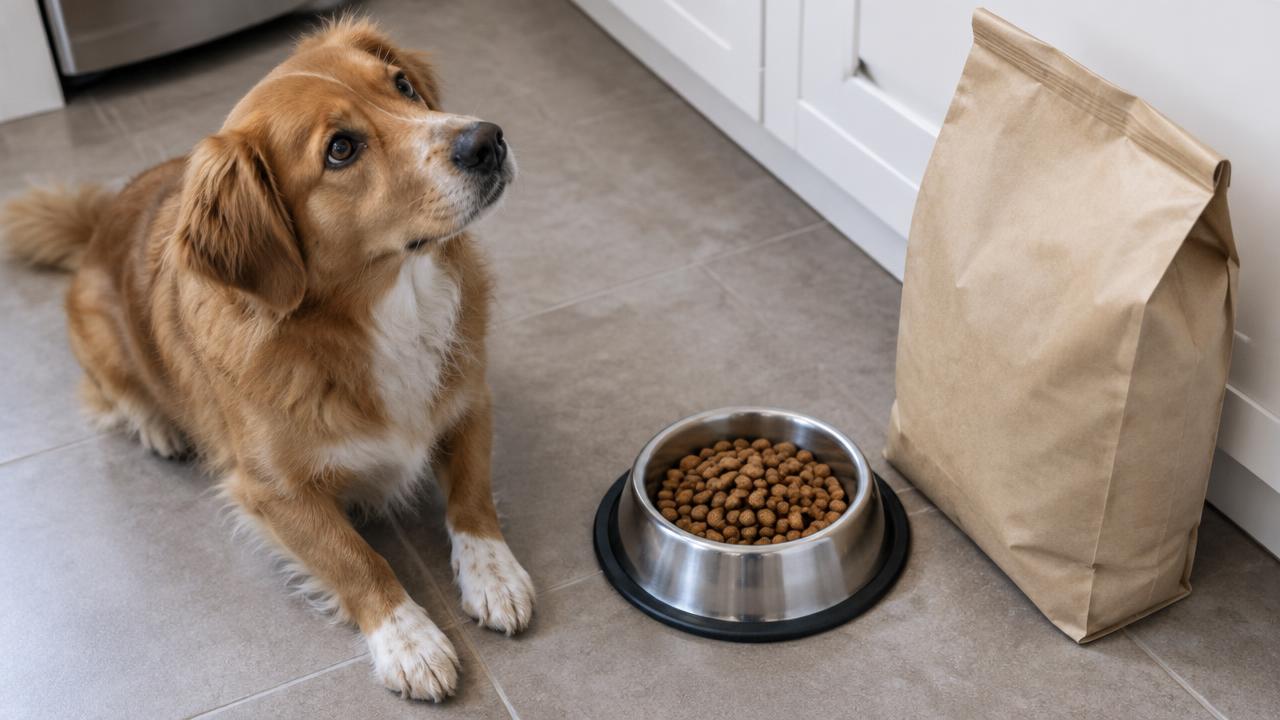
Marketing terms on pet food packaging are largely unregulated. The nutritional adequacy statement in small print is the part that actually means something.
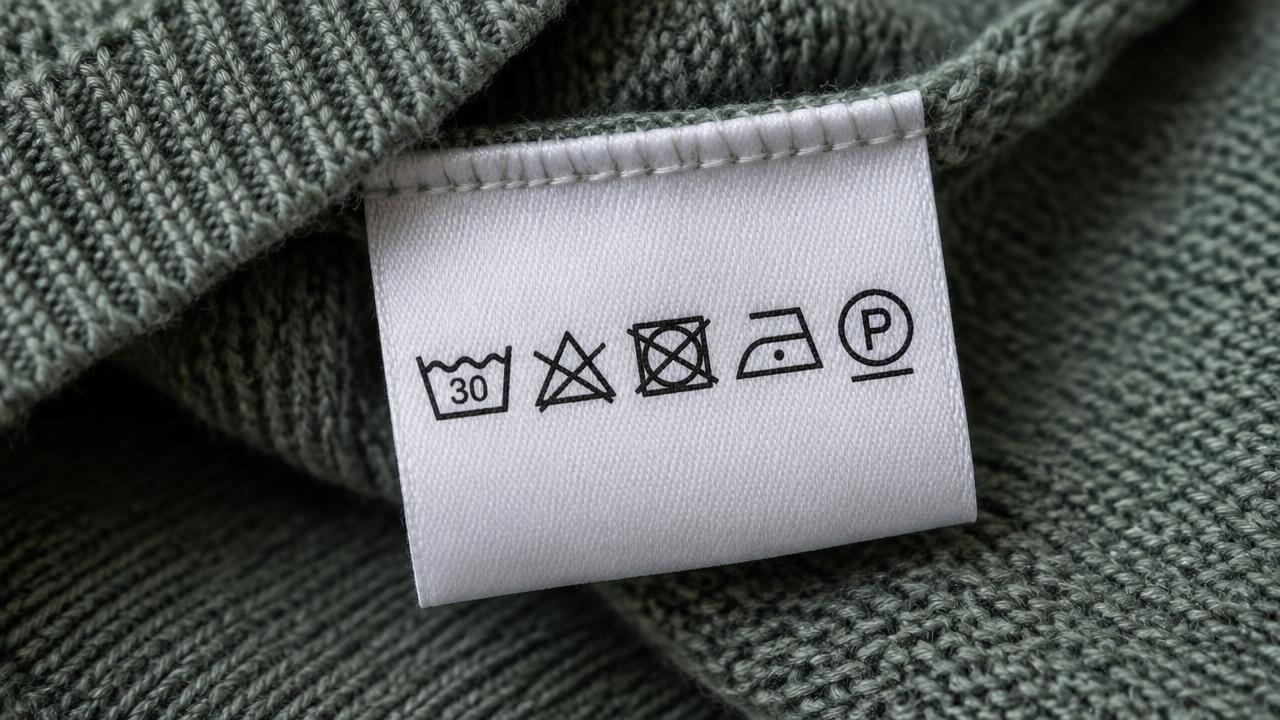
Fabric composition and care symbols are regulated information printed on nearly every garment, and reading them before purchase avoids most fast-fashion disappointments.

Most cosmetic recalls are voluntary. Knowing which agency publishes what is the difference between hearing about one and not.
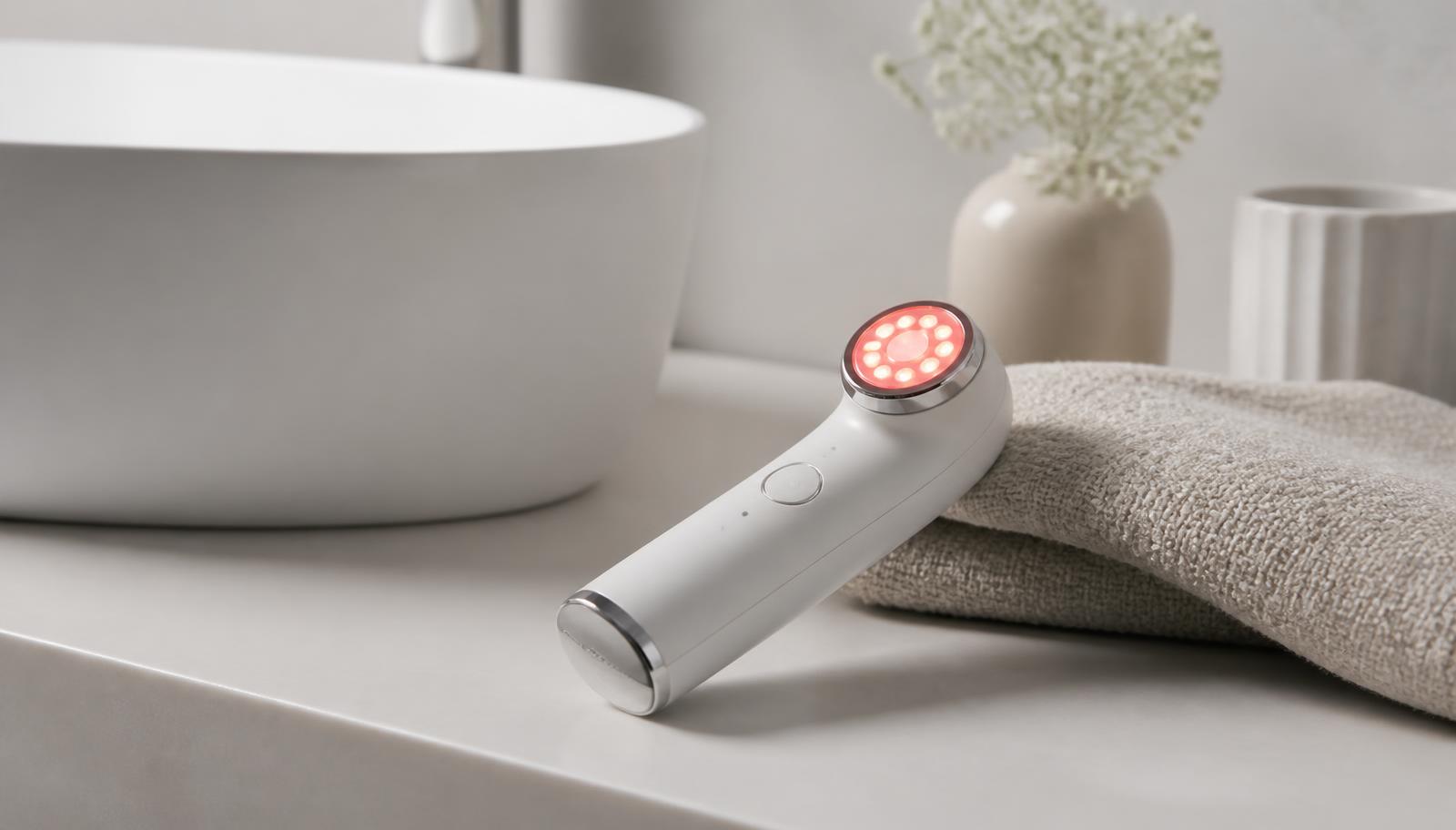
Light devices, microcurrent tools and heated stylers sit in three different regulatory worlds, and the marketing rarely says which.
The category is a retail construct, not a regulatory one — which is why two 'clean' products can contain entirely different things.

Two ingredient families carry most of the clinical evidence in skincare. Both are also the most common cause of self-inflicted irritation.

Not every green label on a garment measures the same thing. Some verify materials, some verify factory conditions, and few verify both.
A higher number on the bottle changes less than the amount applied and how often it is reapplied.

The panel on the back of the bottle is a regulated document. Read in order, it answers most of the questions the front of the bottle avoids.
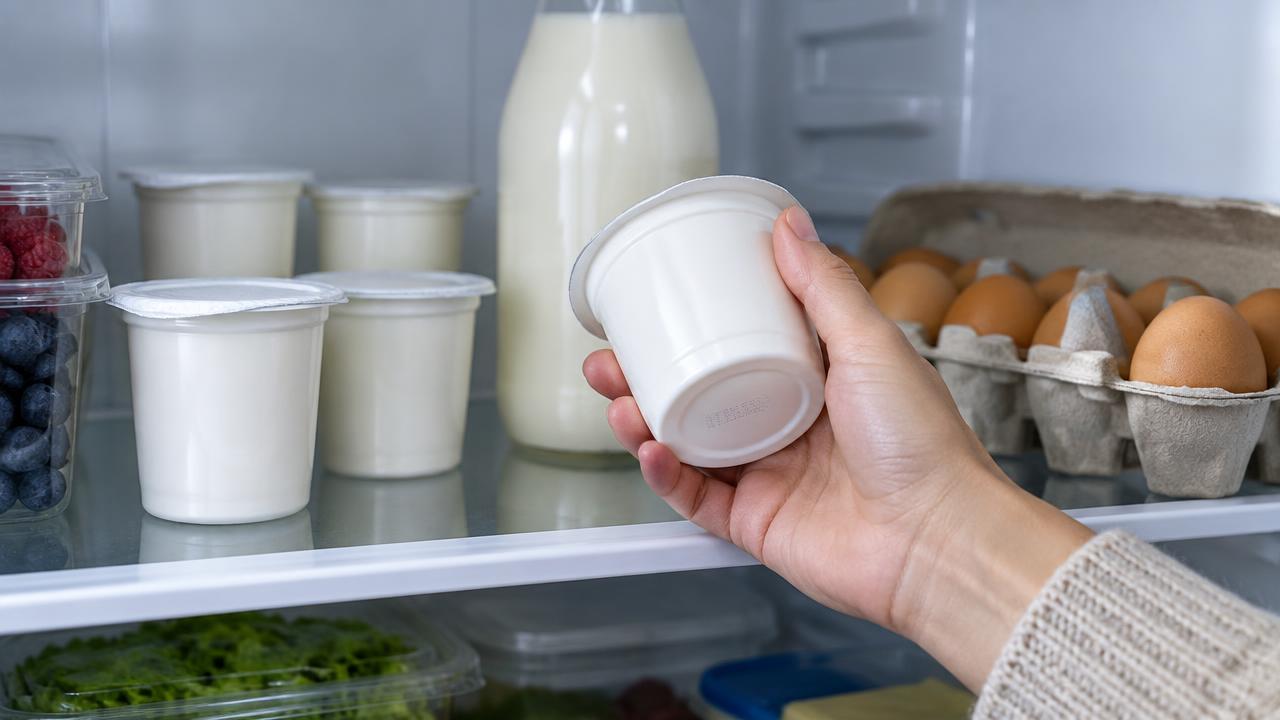
The date printed on a package is not one universal signal. Regulators define several different types, and mixing them up causes a meaningful share of avoidable food waste.
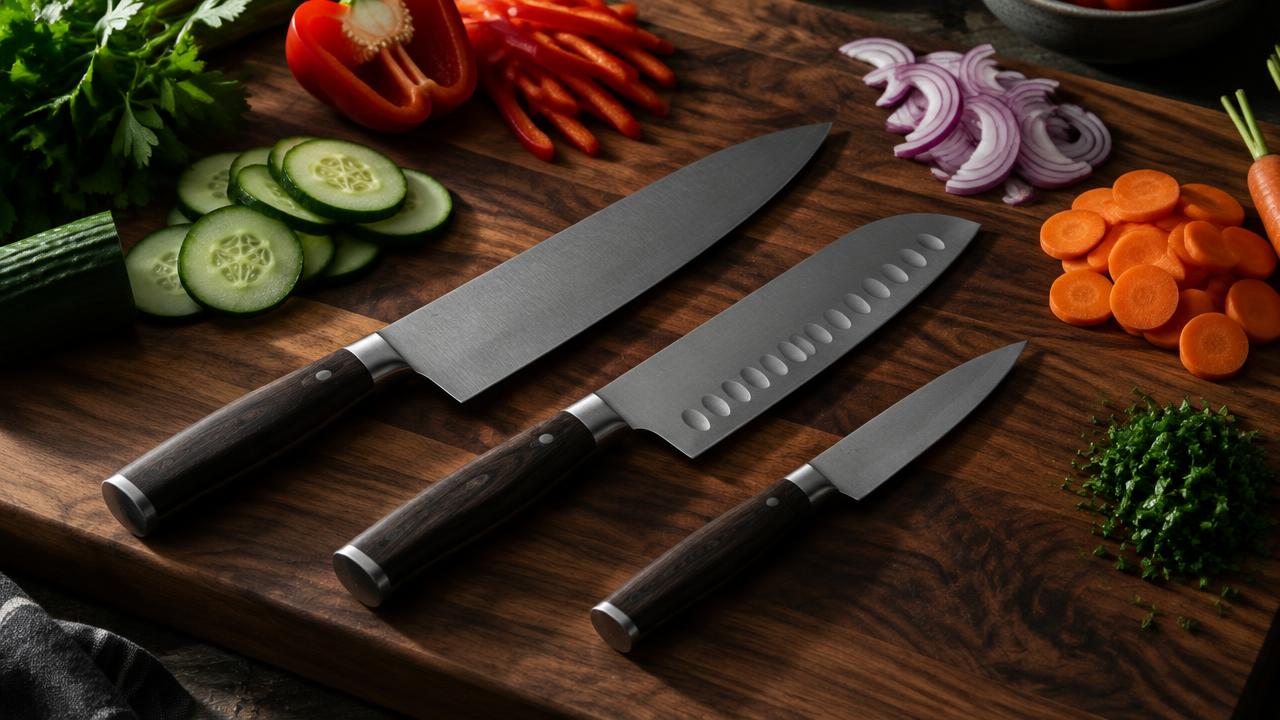
Marketing language around kitchen knives is dense with vague superlatives. A short list of measurable specifications tells you far more than the branding.
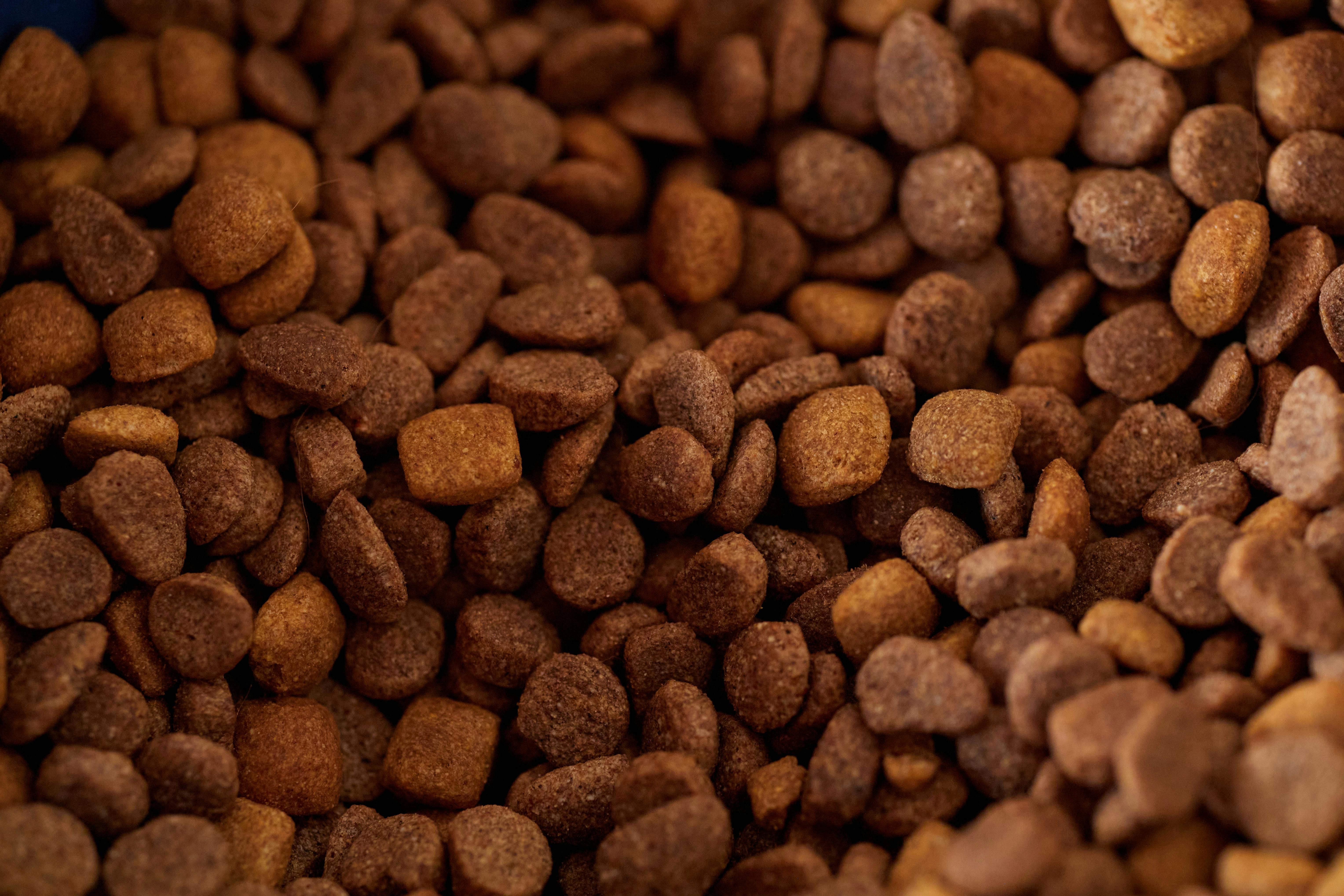
Oma's Pride pulled nearly 640 bags of its Woof Complete Canine Chicken Recipe after a consumer-complaint sample tested positive for Salmonella.

The Osis Grip mousse cans can leak and rupture under pressure; the FDA says one salon reported a hand injury.

The 53-year-old distributor that stocks thousands of independent garden centers has canceled its 2026 trade shows and stopped taking new orders while it prepares a bankruptcy filing.

The new teen-specific version adds content filters, a homework-cheating check, and expanded safety notifications, arriving as OpenAI faces lawsuits linked to teen mental health.

The beauty giant beat Wall Street's fourth-quarter forecasts and issued upbeat fiscal 2027 guidance, capping a restructuring that cut about 10,000 positions.
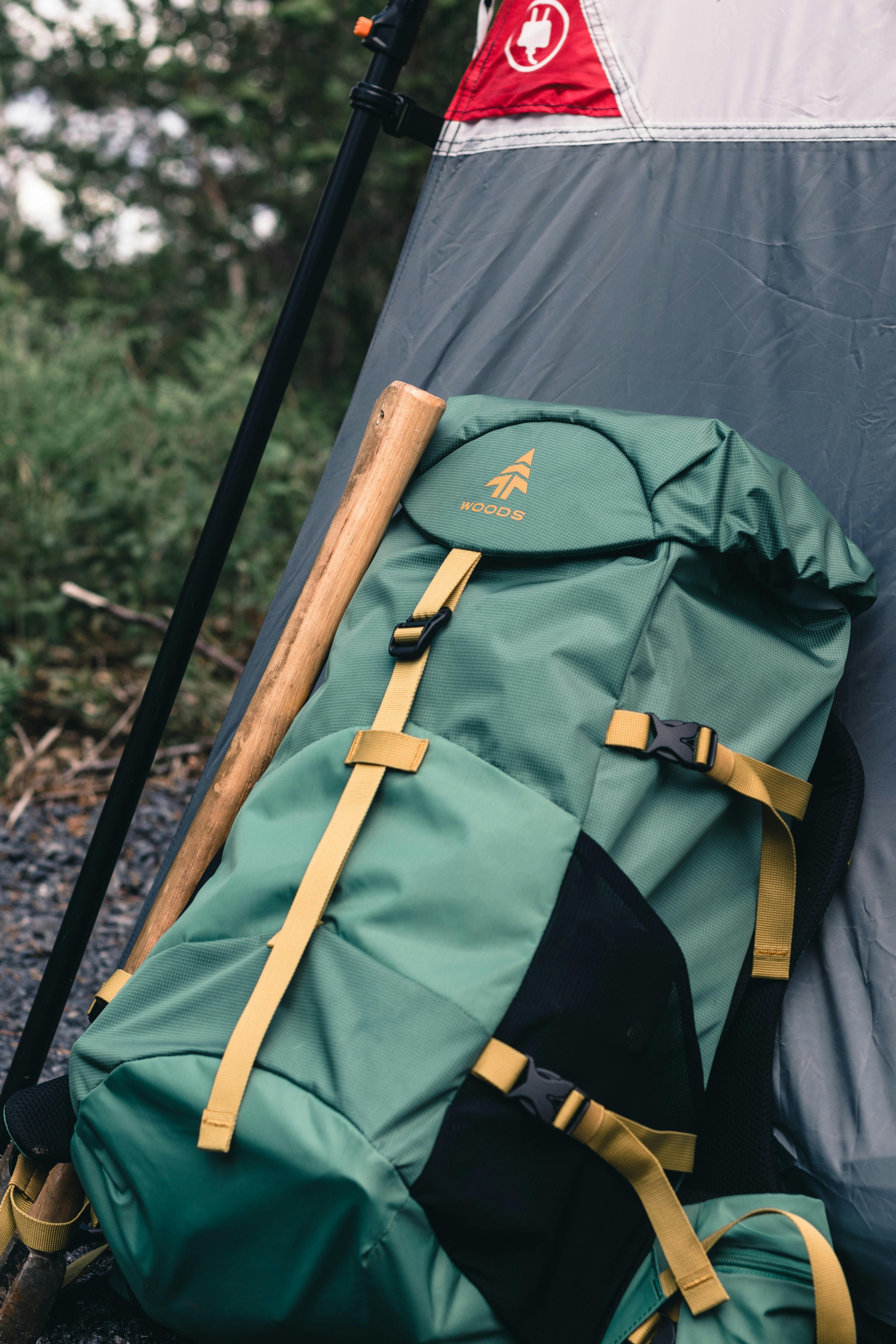
The popular $3,000 portable power station can overheat and catch fire, according to federal regulators; Goal Zero is offering a free firmware fix.

Glass fibers turned up in retained samples of the widely used joint medication; no injuries reported so far.
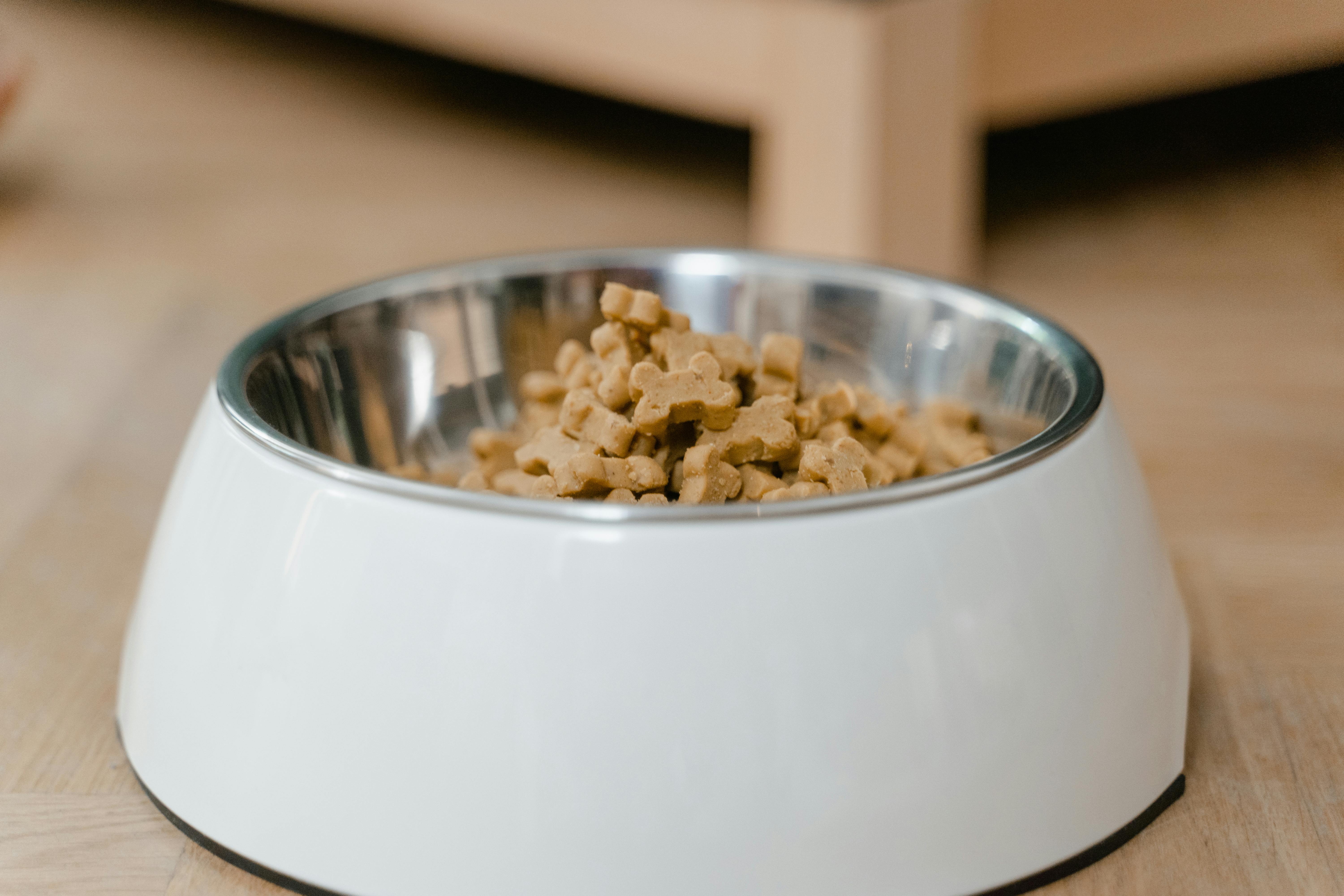
Two wet food varieties are affected after the company found possible metal fragments during production.

The national deal brings co-branded rides, sampling, and at-home classes tied to the energy drink brand starting August 29.

Fiscal 2026 results show $63.2 million in net income alongside an 8.8% drop in paid Connected Fitness subscriptions, and guidance points to another year of shrinking revenue.

About 320 U.S. units of the PRO MAX30 walk-behind mower are affected; owners should stop using them unless a free repair kit has already been installed.

A federal appeals court rejected the Trump administration's latest bid to delay debt relief for defrauded borrowers, clearing the way for discharges tied to 151 mostly for-profit schools.
The fast-fashion giant priced its IPO at roughly $26 billion, down from a nearly $100 billion valuation four years ago, as tariff changes and regulatory scrutiny squeeze its business.

The athletic-wear retailer beat second-quarter profit estimates, but a second guidance cut this fiscal year and a steep sales decline in the Americas rattled investors.

Justin Boxford adds La Mer to an already-expanding portfolio of luxury brands, while a new general manager takes over day-to-day leadership at the Estee Lauder brand.

The National Eczema Association's Seal of Acceptance now covers foundations, concealers, and primers for the first time, starting with four brands that passed clinical patch testing.

JKMAX blankets and heating pads sold on Amazon overheated in 577 reported incidents before the CPSC stepped in.

The Education Department opened the application months ahead of last cycle's rollout, with a redesigned form officials say takes about 15 minutes to complete.
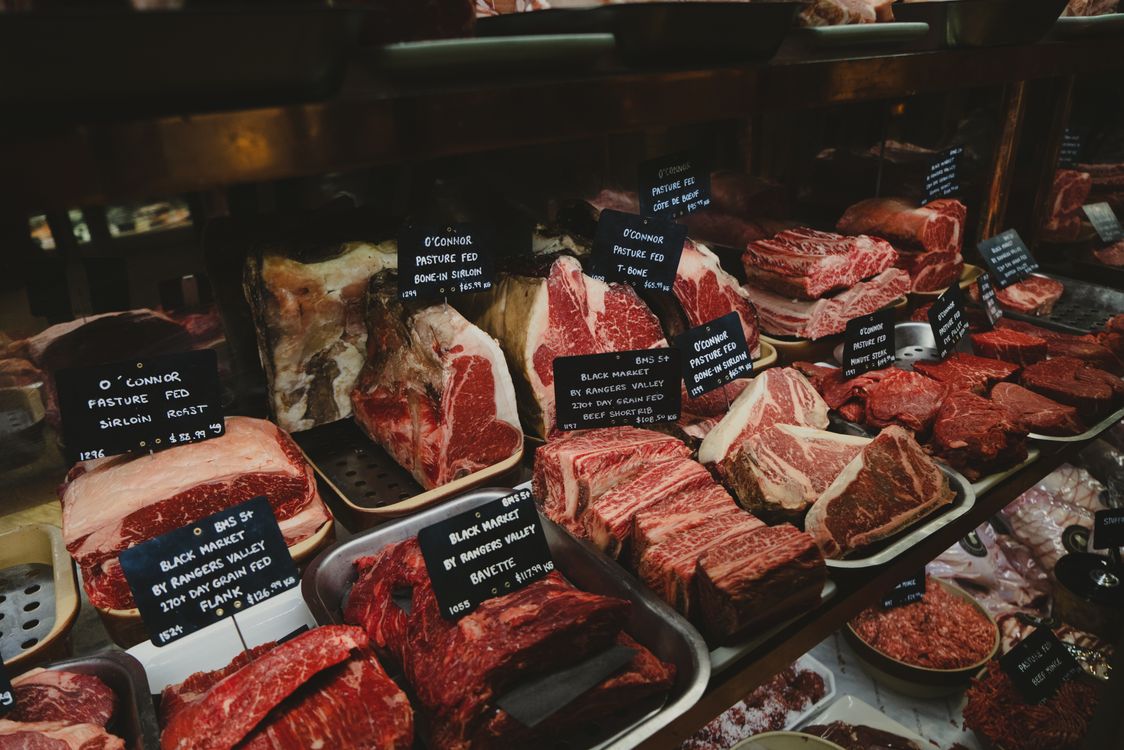
A North Carolina distributor shipped beef, pork and goat products nationwide bearing a bogus federal inspection mark, triggering the USDA's most serious recall class.
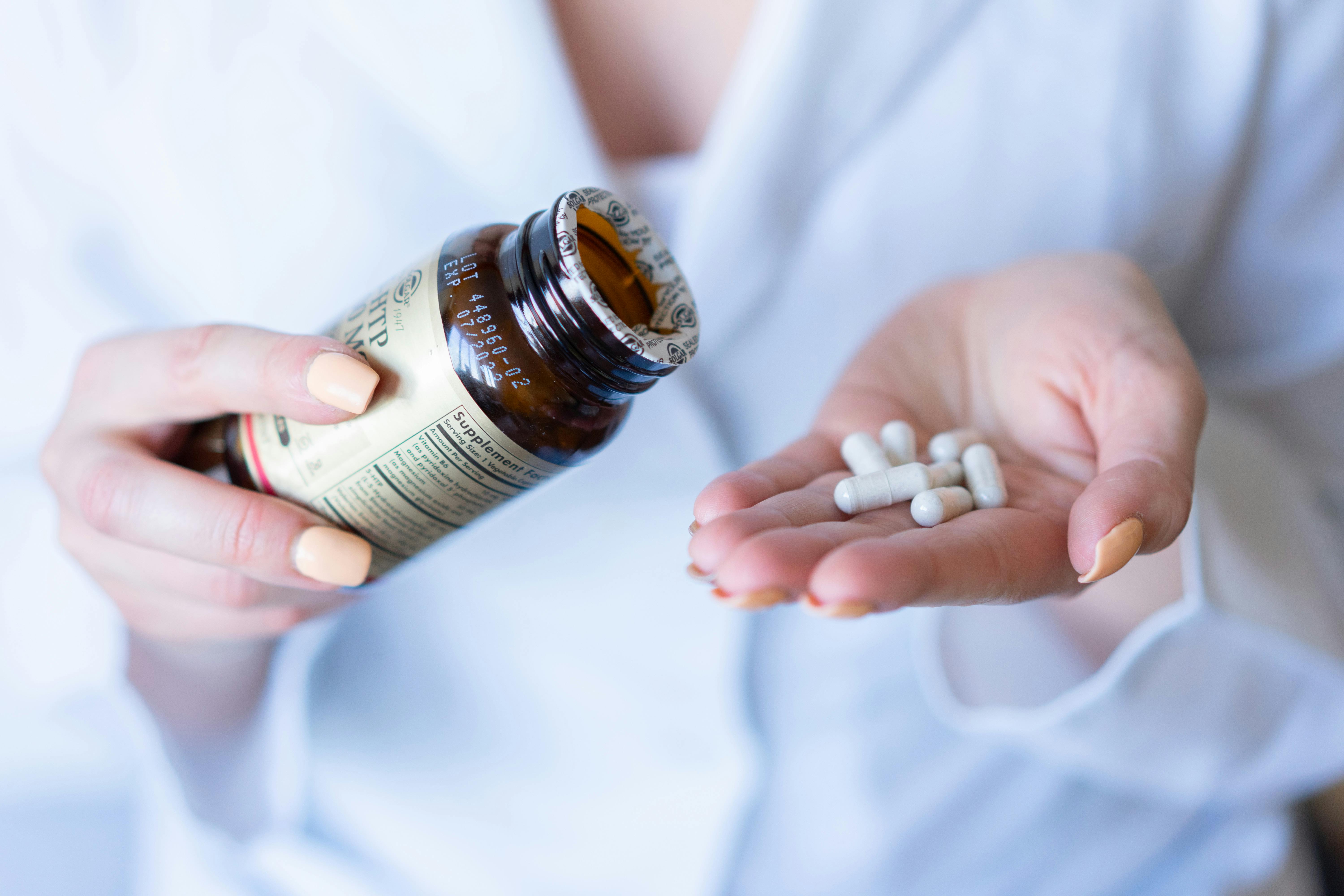
Three more tejocote-root products were added this month after testing found yellow oleander, a plant toxin that can cause fatal heart problems.

The Blue Cactus Company's lithium-ion battery packs, sold on Amazon for about $105, have already sparked four reports of smoking or ignition.
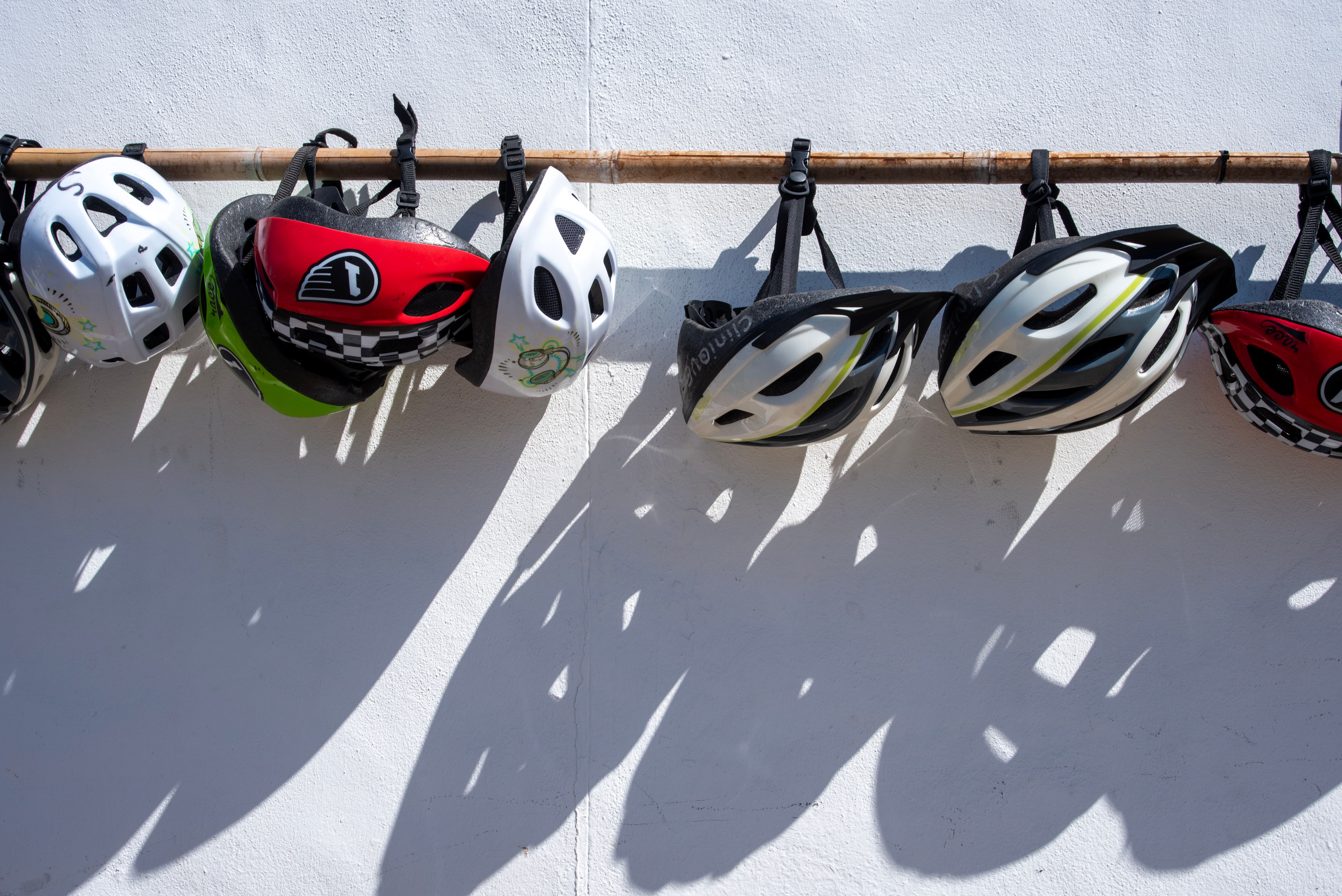
The pink, size-small helmets don't meet federal impact and strap standards, the CPSC says, even though no injuries have been reported yet.
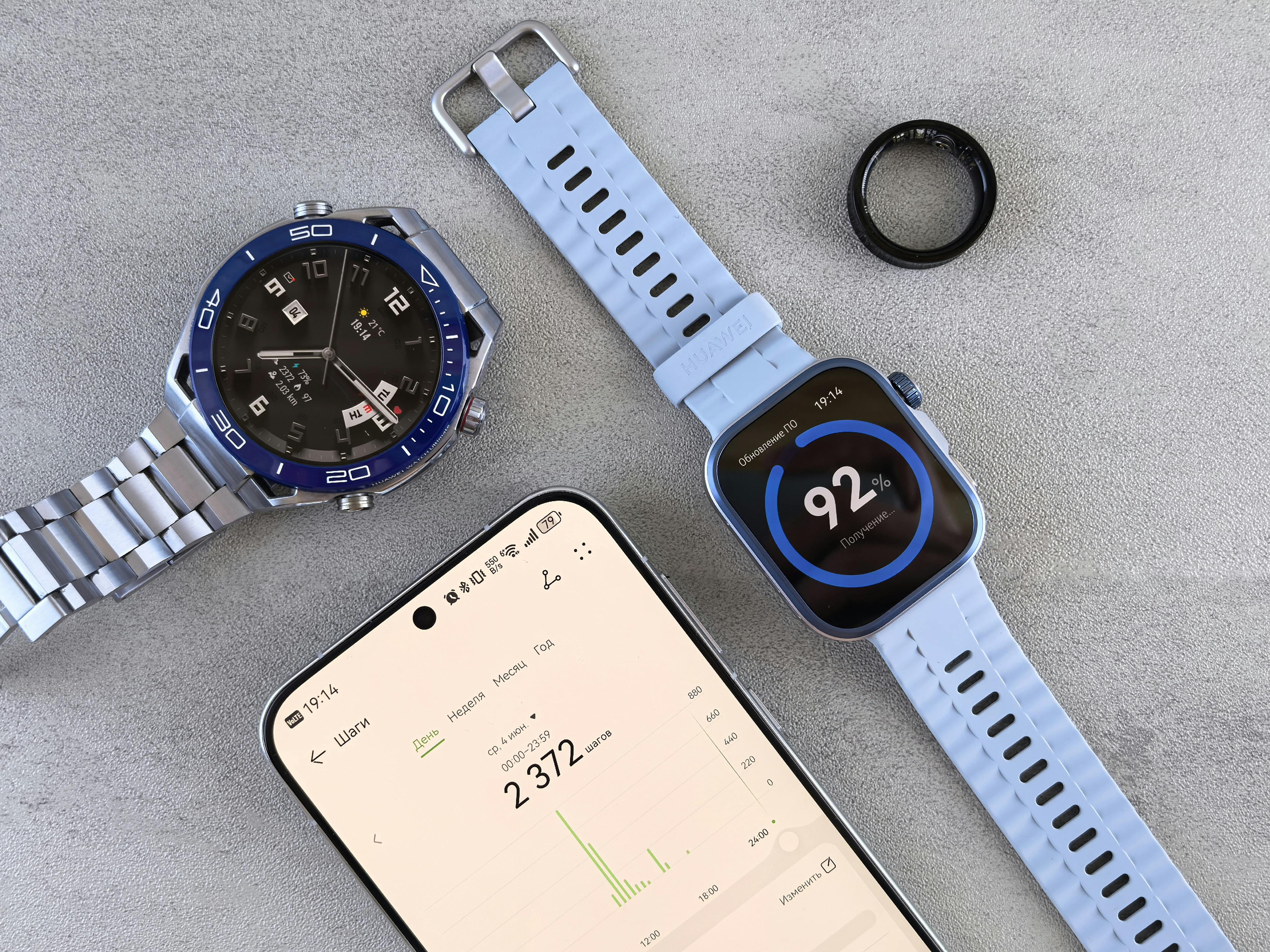
Bloomberg says Apple has built prototypes of a display-free, wrist-worn health tracker, though the company hasn't decided whether to ship it — and it wouldn't arrive before 2028 if it does.

Federal investigators say all nine interviewed patients reported eating the cheese before falling ill; three children developed a serious kidney complication.

The $4 containers lack required flame-mitigation devices and child-resistant caps, the CPSC says. No injuries have been reported.

The Education Department moved up this year's FAFSA launch and added real-time eligibility results, while Sept. 30 is the last day to lock in a bigger autopay discount on federal loans.

The FDA's most serious recall classification follows a Salmonella risk in jalapeños used in a dressing sold at Texas H-E-B stores.

Metal bristles from Expert Grill brushes sold at Walmart since 2021 can break off and end up in food, the CPSC warns.

A lithium-ion battery defect in two brands of rechargeable hand warmers has triggered an immediate stop-use recall ahead of cold-weather season.
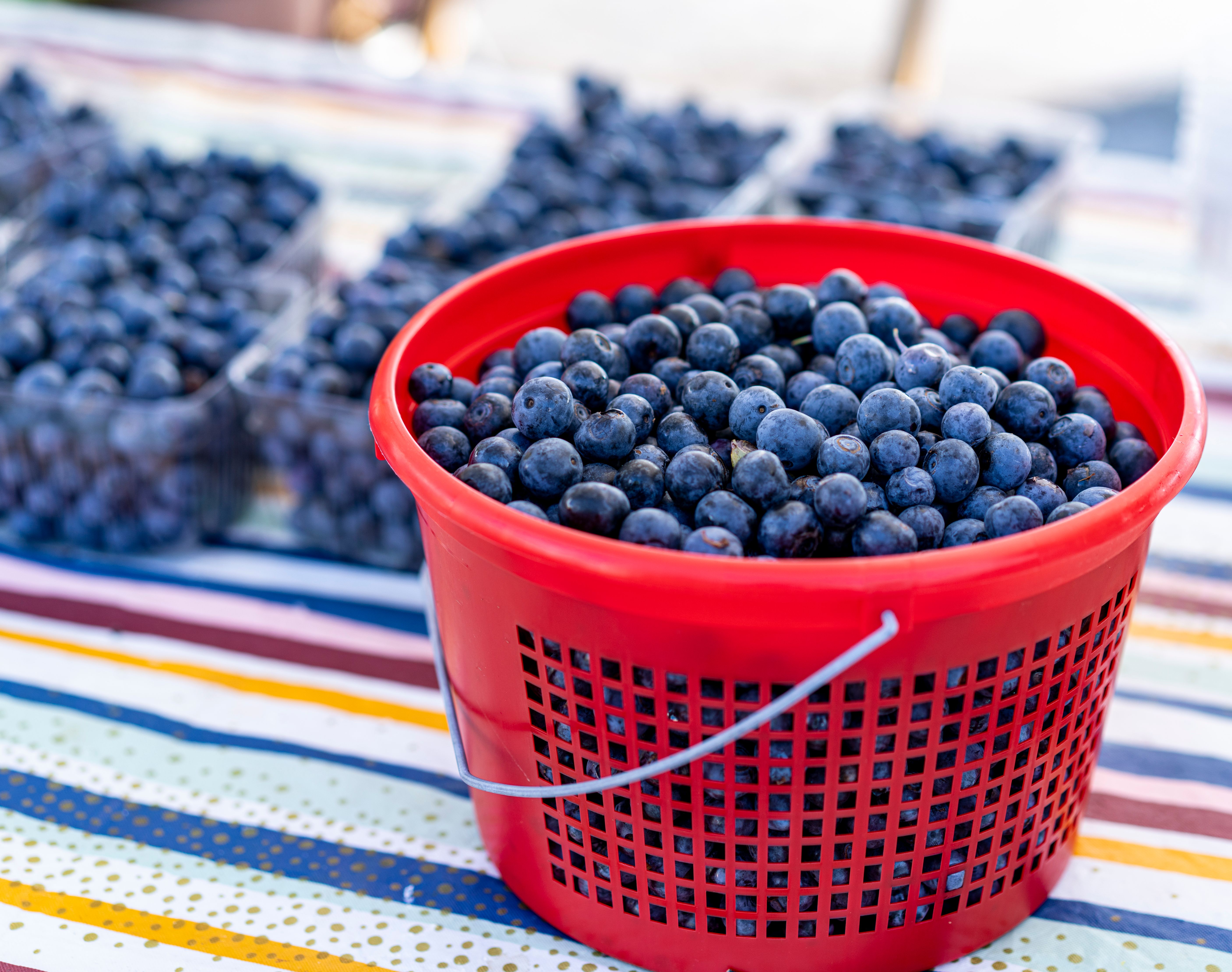
Chilean grower Frutas y Hortalizas del Sur has widened a recall tied to an E. coli outbreak — even though the CDC already declared that outbreak over.
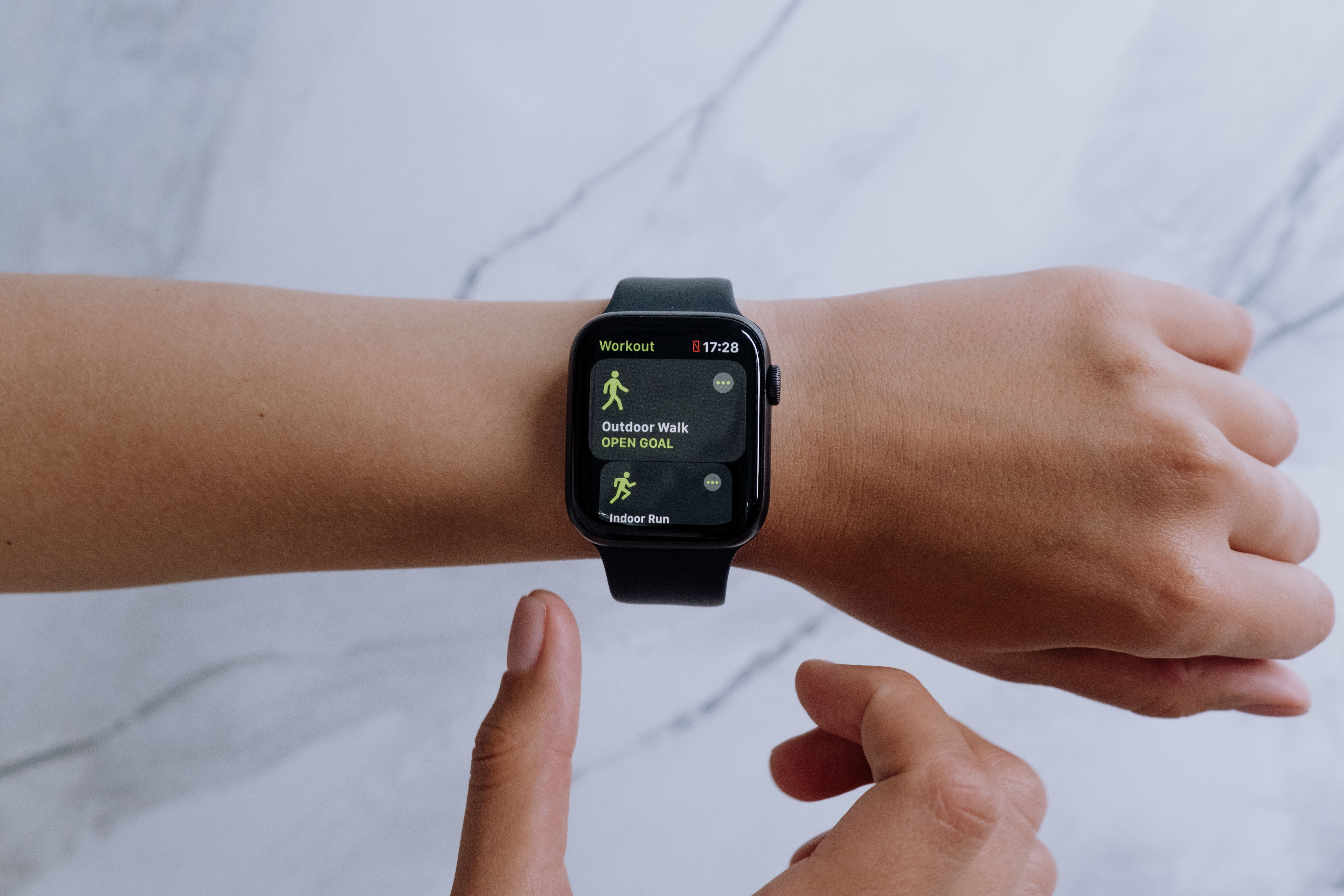
The $167 wearable tracks heart rate, blood oxygen, and sleep with a 7-day battery — but Google hasn't said when, or if, it's coming to the U.S.

Inventia Healthcare's chlorthalidone tablets failed FDA dissolution testing, meaning the drug might not release properly in the body.
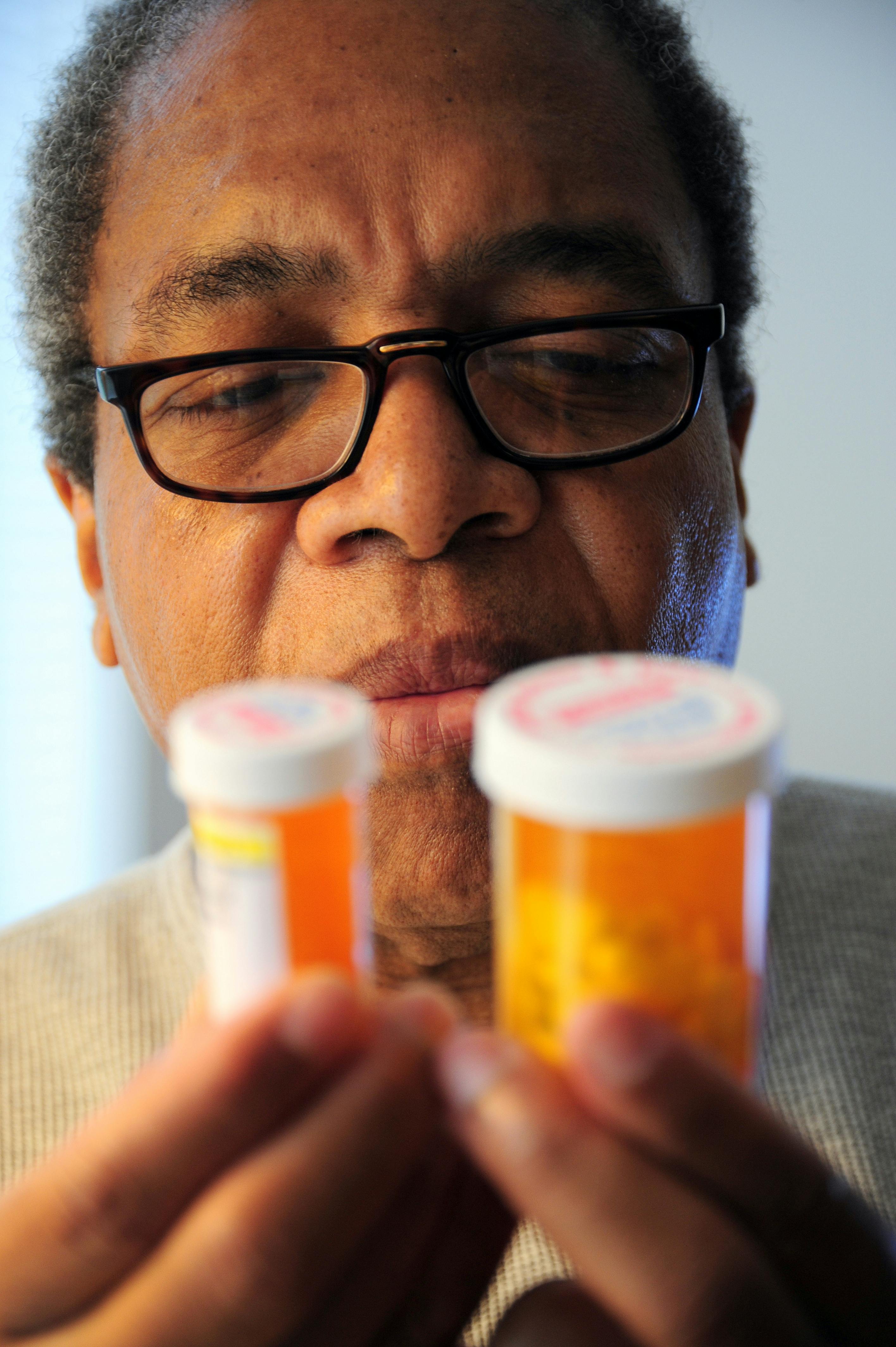
Aurobindo Pharma is recalling three lot groups of Amazon Basic Care Extra Strength Acetaminophen after tablets turned up discolored. The FDA hasn't classified the health risk yet.

'Re{form} Zara Vol. 1' debuted October 1 with a Paris pop-up, couture techniques applied to archive pieces, and the retailer's first-ever named handbag.

Gazelle USA's Urban Arrow cargo e-bikes have a seat bolt that can snap, and Golden Resale's portable camping showers can catch fire when used outside the water.
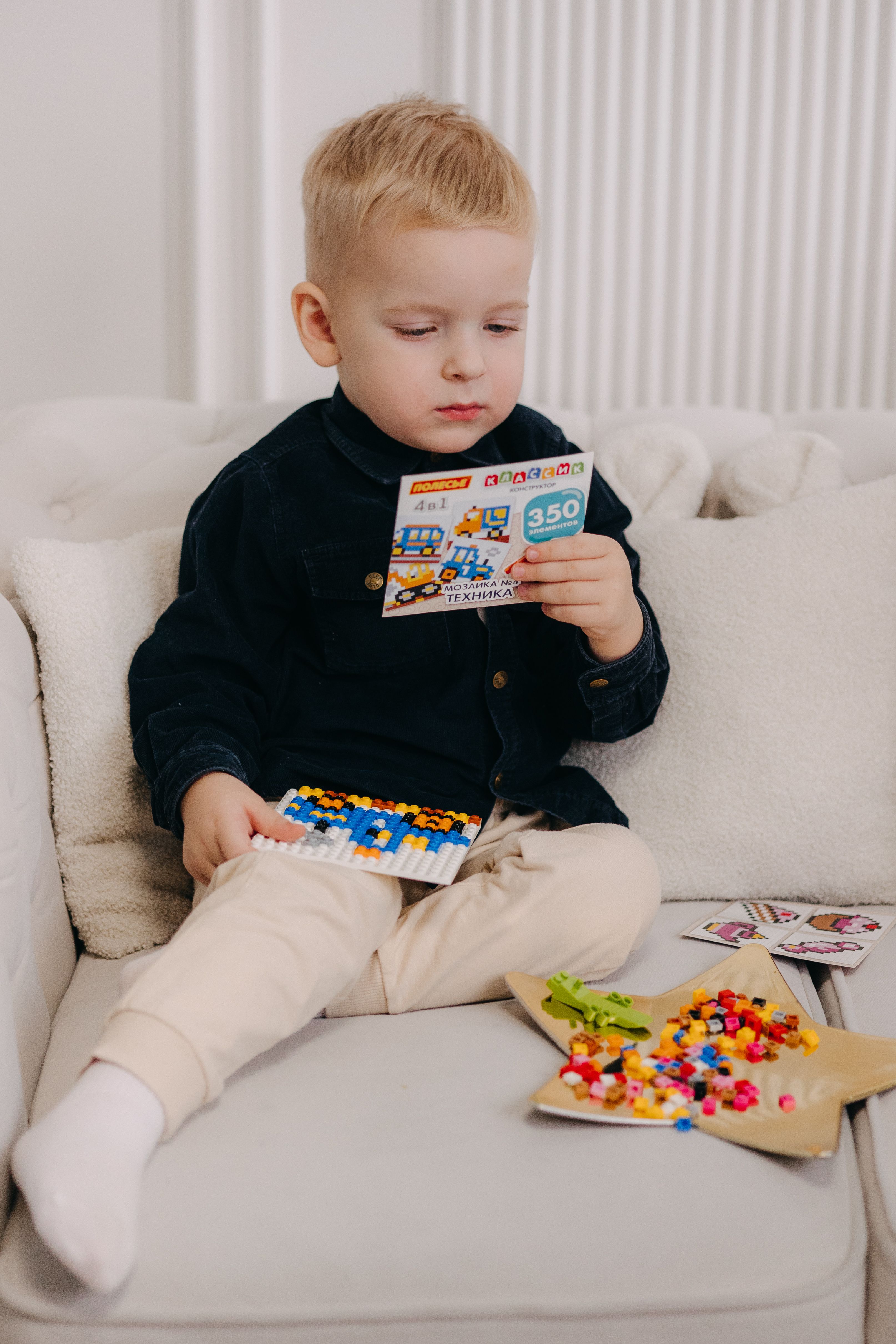
GBYMIUY's Magnetic Stick Figure Toy Sets, sold on Amazon for about $20, don't meet the federal toy standard limiting magnet strength, and loose magnets can tear through a child's intestines if swallowed.

The CPSC says YunHeng's LandTale and Agrish's adult portable bed rails violate the federal standard meant to stop users from getting trapped between the rail and the mattress.

New federal data shows defaults rose sharply in the quarter ending June 2026, with millions more borrowers at risk in the months ahead.

The Southern value retailer had planned to shut 40-50 locations this year. Weak discretionary spending pushed that number to 120.

The 63-year-old retailer will close 76 stores and shed $685 million in debt, but says gift cards, loyalty points, and paychecks are safe.

The color-cosmetics giant is betting on fragrance and body care for the first time, with a limited-edition holiday line priced at $12 to $13.
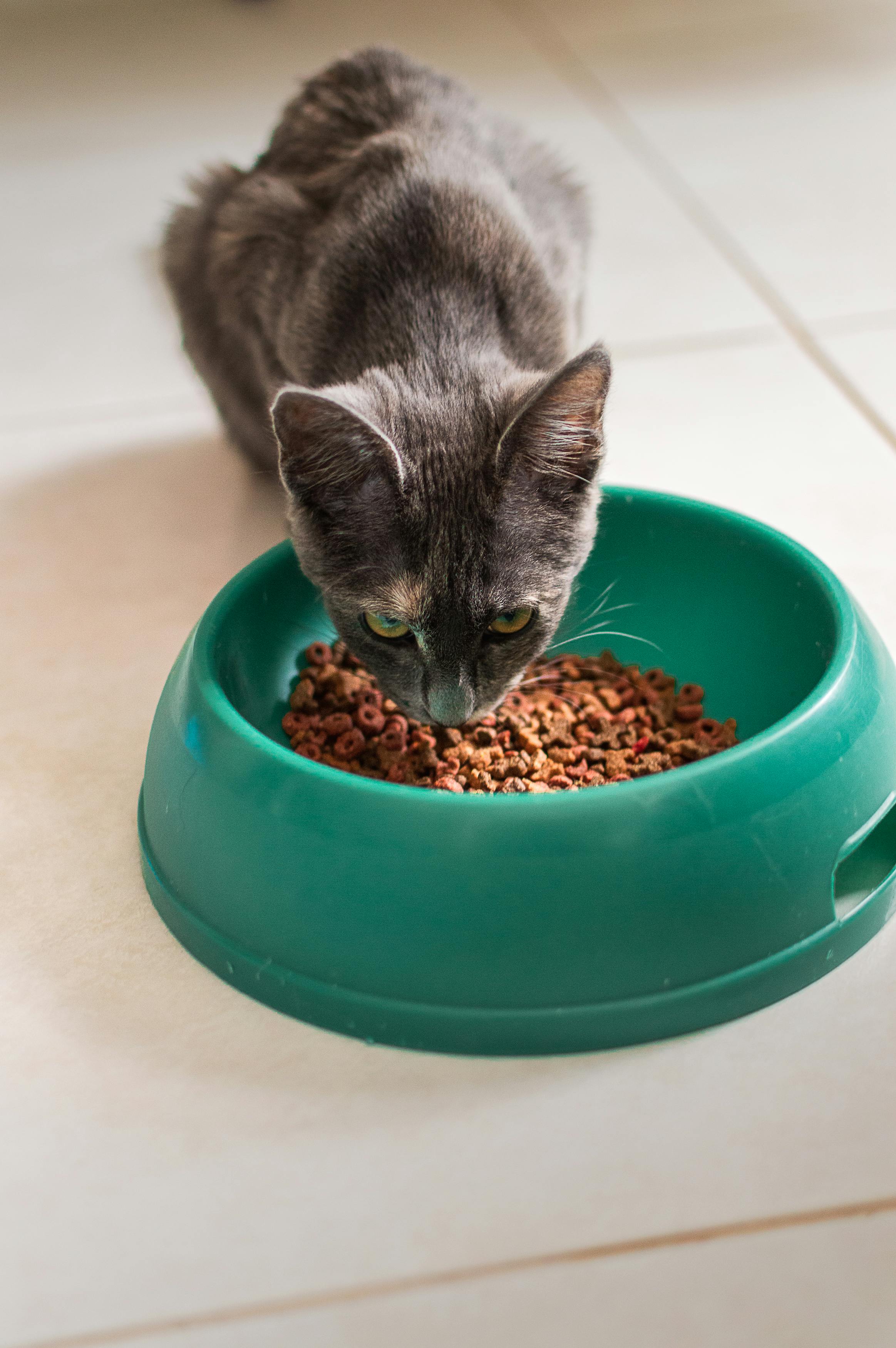
A Clean Label Project analysis of 100 cat food products found lead, cadmium and arsenic in the vast majority of samples — but the pet food industry disputes what the findings actually prove.
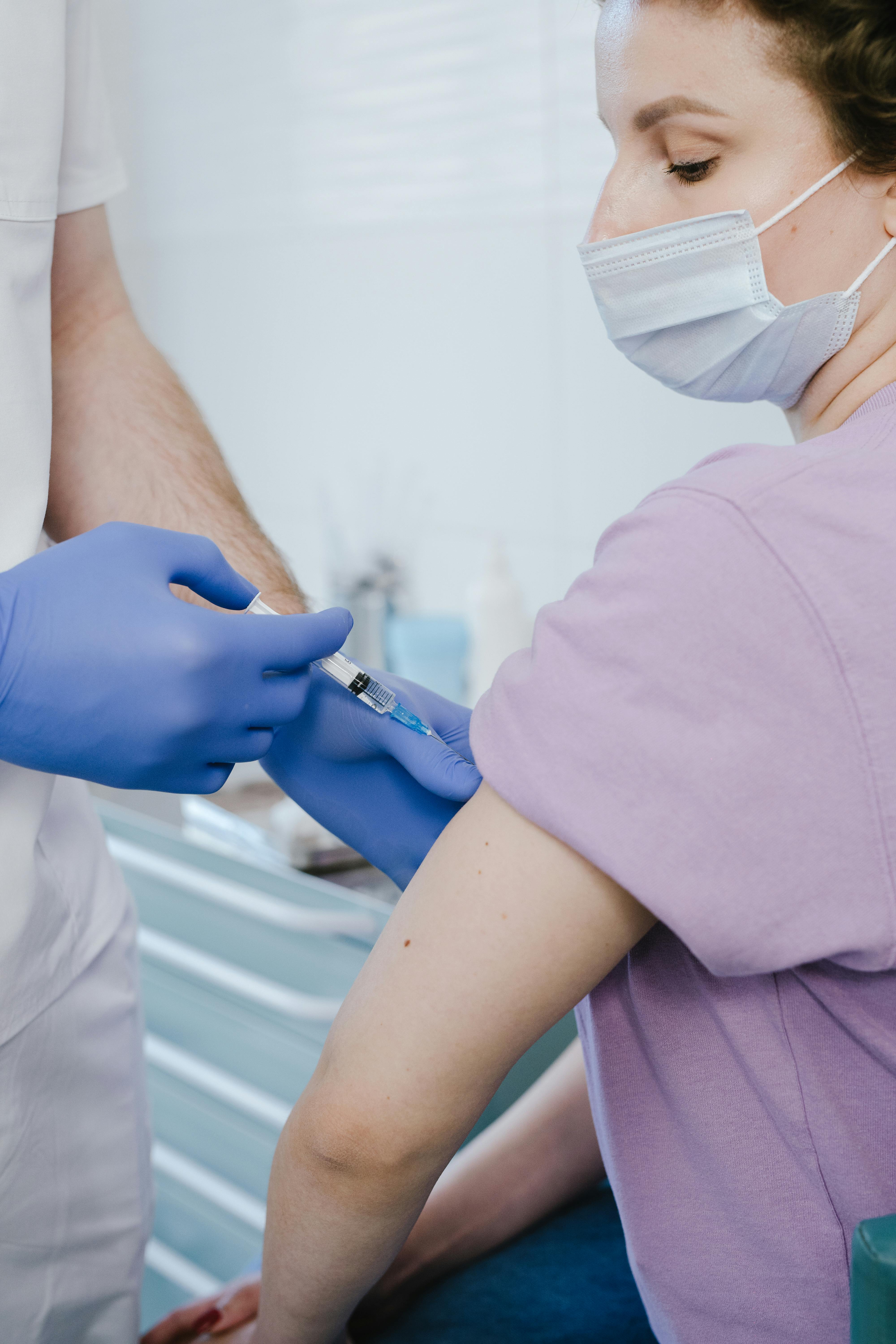
Flu is spreading weeks ahead of its usual pace across California, Washington, Nevada and Alaska, with the first deaths of the season already reported.

Enrolling in automatic payments now locks in a 1-percentage-point rate cut that lasts through mid-2028 — but only about 40% of borrowers are currently signed up.

About 1,150 bikes are affected after the front lock nut was found to loosen during use, creating a crash risk. No injuries have been reported.

Grass and debris can build up inside the Pilot and Premier models and ignite, the CPSC says. Two people suffered minor burns.

Federal regulators say the seats, carabiners, or webbing straps can break during use — and want anyone who owns one to stop using it right away.

RAPTURE Preworkout contained DMAA, an unapproved stimulant the FDA says can trigger heart attacks and seizures. The recall covers one lot sold nationwide for over a year.

Gardeners Basics is the latest company to pull broccoli sprouting seeds tied to a seed lot the FDA says matches the outbreak strain. The agency still hasn't named the common supplier.

The CPSC says the seats fail the federal infant bath seat standard and can tip during use. Owners are told to destroy, not donate, the product.
Collective byline
Collective byline
Collective byline
Collective byline
Collective byline
Editor-in-Chief, THRYV
Reviews Editor, THRYV