The two categories solve different problems. Choosing between them on price alone usually means solving the wrong one.
Robot and upright vacuums are frequently compared as if choosing between them were a simple upgrade decision, with the robot positioned as the more modern option. In practice they solve different problems, and a great many households end up using both, or find that the one they bought does not match how their home actually gets dirty.
What a robot vacuum is actually good at
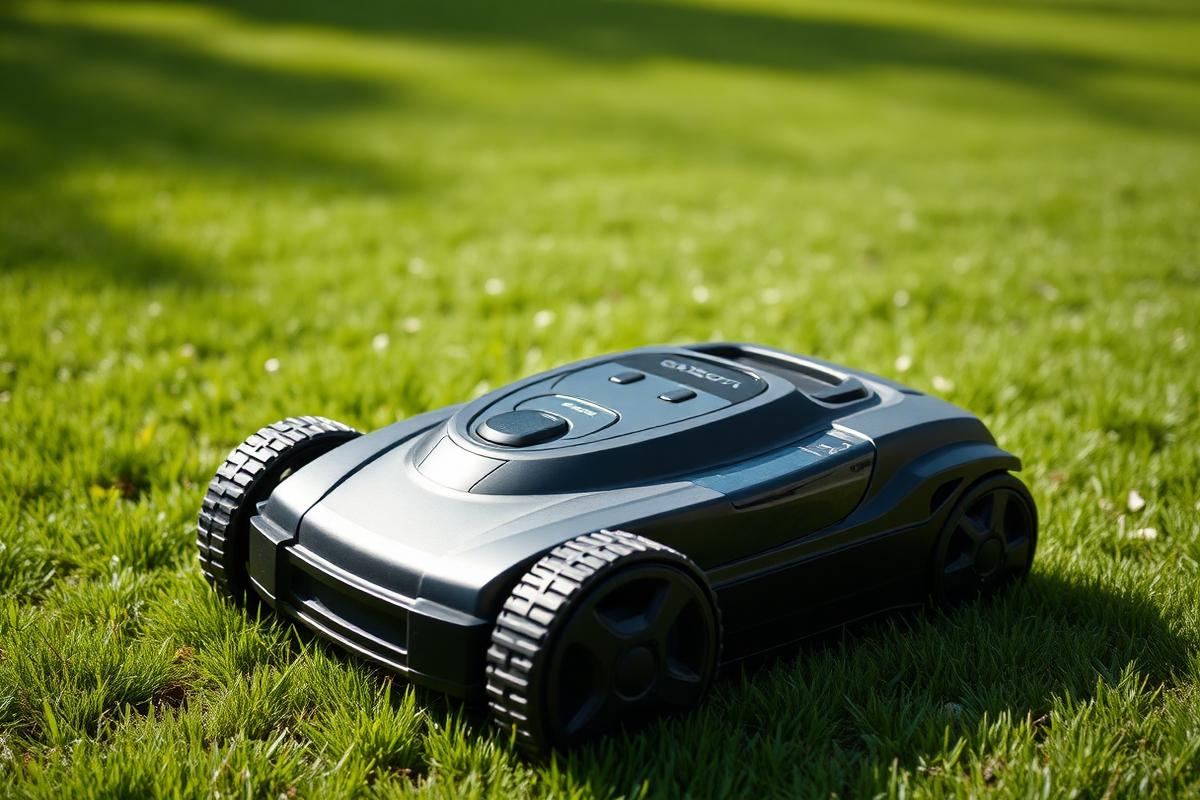
A robot vacuum's advantage is frequency, not power. Running a light pass daily on hard floors and low-pile carpet keeps dust and pet hair from accumulating, which matters more in homes with pets, allergy sufficiency needs, or open-plan hard-floor living spaces. Its weaknesses are consistent across the category: limited suction compared with a corded upright, difficulty with high-pile carpet and thick rugs, trouble with cables, low furniture and stairs, and a dependence on a reasonably decluttered, mapped floor plan to work well.
What an upright or stick vacuum is actually good at
Corded uprights generally offer the highest sustained suction and are the more thorough option for deep carpet cleaning, stairs, upholstery attachments and multi-floor homes where a robot would need to be manually carried between levels. Cordless stick vacuums trade some suction and runtime for manoeuvrability, and are a reasonable middle option for smaller flats without much thick carpet. Neither format cleans unattended, which is the central trade-off against a robot.
Layout matters more than either spec sheet
A single-level flat with mostly hard floors and light rugs favours a robot for day-to-day maintenance. A multi-level house with substantial carpet, stairs and pets is usually better served by a proper upright, with a robot as a supplement rather than a replacement.
Running costs that do not appear on the box
- Robot vacuums require periodic replacement of filters, brush rolls and side brushes, and eventually the battery; higher-end models with self-emptying docks also need replacement bags for the base station.
- Corded uprights with bags carry an ongoing consumable cost; bagless models trade that for filter maintenance and a less pleasant emptying process.
- Stick vacuums are the most battery-life-constrained format; runtime on the box is usually measured on the lowest suction setting, and real-world time on carpet mode is meaningfully shorter.
A decision framework rather than a verdict
Rather than ranking the two categories, it is more useful to match the format to the home. A robot suits households that want to reduce the frequency of manual vacuuming on mostly hard or low-pile floors and are willing to manage its navigation limitations. An upright or stick vacuum suits households where deep carpet cleaning, stairs, or thorough occasional cleaning matter more than daily maintenance. Many households with pets and mixed flooring ultimately use a robot for daily upkeep and a corded machine for weekly deep cleaning, which is a reasonable and common combination rather than a compromise.
Questions worth answering before buying either
- What is the dominant floor type in the rooms that get dirtiest fastest?
- Is the home single-level or multi-level, and how many stairs would a corded machine need to cross?
- Are there pets shedding daily, which favours frequency over peak suction?
- How cluttered is the floor plan on a typical day, which affects a robot's practical navigation?
- What is the realistic ongoing cost of filters, bags, brushes or battery replacement for the specific model under consideration?