Skip to content
Some links are advertising or affiliate links. How we make money
THRYV News

Independent reviews, guides and reporting.

Beauty

Explainer

At-home beauty devices: which claims are regulated and which are not

Light devices, microcurrent tools and heated stylers sit in three different regulatory worlds, and the marketing rarely says which.

By THRYV Life Desk·Published July 24, 2026·Updated July 29, 2026·5 min read
At-home beauty devices: which claims are regulated and which are not
Beauty · Illustration commissioned for THRYV. Photography is replaced with original imagery as each story is produced.

The takeaway

Some at-home beauty devices are cleared as medical devices for a specific indication; most are consumer electronics making cosmetic claims with no such clearance. Checking whether a device has a regulatory clearance, and for what exact use, is the fastest way to separate a tested claim from a marketing one.

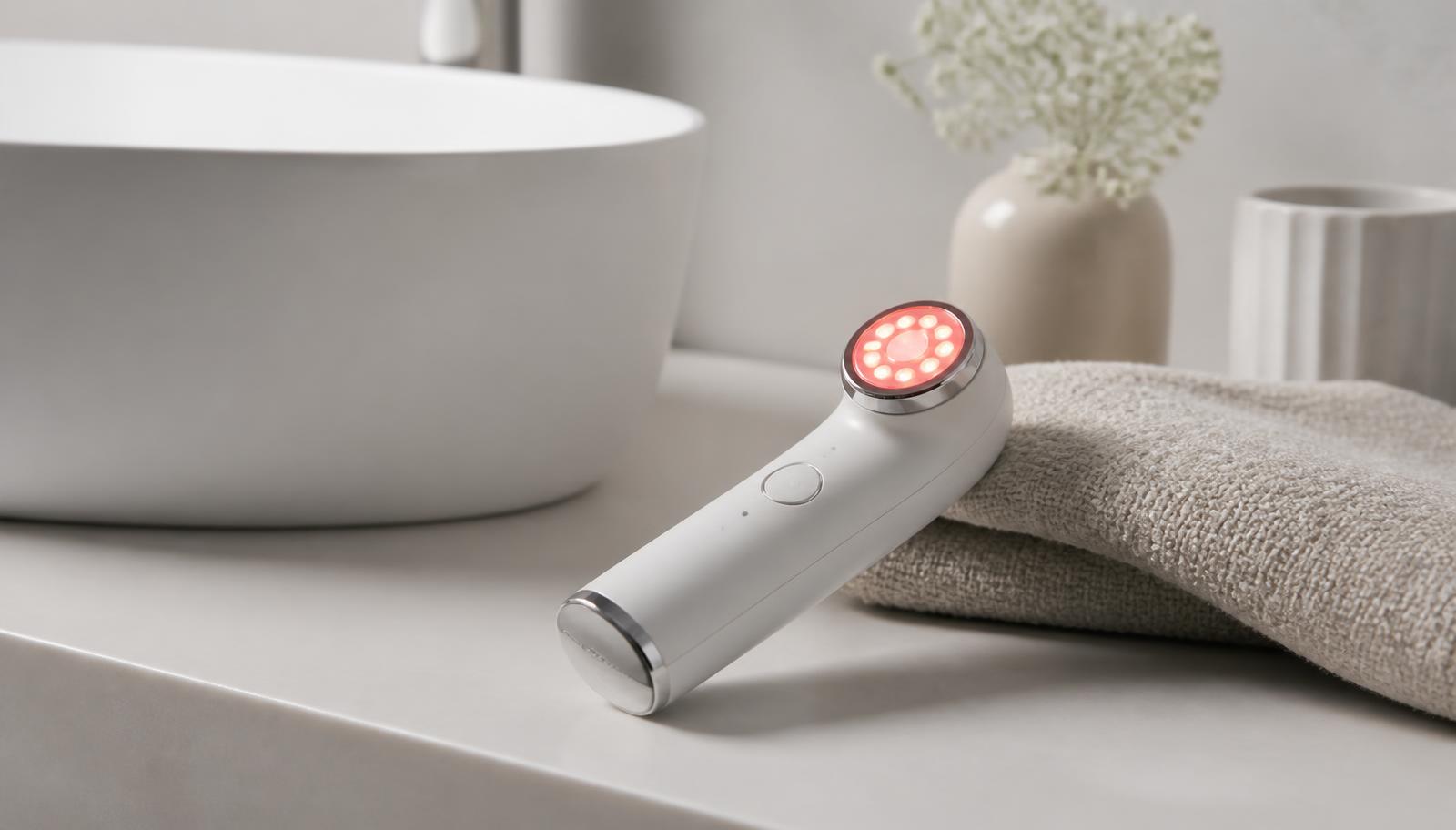
The at-home device aisle mixes three very different product types under one aesthetic: consumer electronics, cosmetic appliances and, occasionally, cleared medical devices. The physical products look similar. Their evidentiary burdens do not.

Three categories, three burdens

  1. Medical devices cleared or approved by a regulator for a named indication. The clearance is public and states the intended use.
  2. Cosmetic appliances making appearance claims. These must be safe and truthfully advertised, but no clinical clearance is required.
  3. General consumer electronics, where the relevant rules concern electrical and thermal safety rather than efficacy.

Look up the clearance

Where a brand states a regulatory clearance, the corresponding entry in the regulator's public database names the indication. If the indication is narrower than the advertising, the advertising is the part that is not verified.

Safety notes that apply to all three

  • Eye protection requirements for any light-emitting device are stated in the manual, not in the marketing copy.
  • Heat tools cause burns and hair damage at temperatures the packaging often presents as a feature.
  • Contraindications — pregnancy, implanted electronic devices, photosensitising medication — are listed by the manufacturer and are not optional reading.

No device is recommended, ranked or scored in this article. THRYV publishes a verdict only after a device has been through our documented testing protocol.

Sources

This article is original writing by THRYV. We link to primary reporting and official documents rather than reproducing them.

  1. Is the product a medical device?US Food and Drug Administration
  2. Medical devices regulation overviewEuropean Commission
  3. Advertising and marketing basicsUS Federal Trade Commission

Why you can trust this article

Written and edited in-house by the THRYV Life Desk. We do not republish or reword agency copy, and we do not invent quotes, statistics, testimonials or ratings. Where figures move frequently, we point you to the primary release rather than printing a number that will be out of date. Advertising and affiliate partnerships have no influence on our reporting — see our editorial standards, fact-checking policy and affiliate disclosure. Spotted an error? Write to newsroom@thryv-affiliate.com.

General information only. Not personalised financial, medical or legal advice.

Related reading

The THRYV Brief

The market in 5 minutes, weekday mornings

Plain-English analysis of the day's financial news, what it changes for households, and the primary sources behind it. No hype, no stock tips.

Free. Unsubscribe any time. We never sell your email address.

Advertisement · Newsletter sponsorship600×120
AURZEN EAZZE D1R Cube — the world's first Roku TV smart projector

Currently showing a THRYV house ad. This position is available to a single sponsor per edition, is labelled in the email and on this page, and does not influence what the Brief covers.