Flu season typically starts picking up in late November. This year, several Western states are already seeing a spike — weeks or even months ahead of schedule — and health officials are urging people to get vaccinated now rather than waiting until Halloween, the date most clinicians use as an informal deadline.
An Unusually Early Surge in the West
Seattle Children's logged about 150 pediatric flu cases over a two-week span in late September and early October, compared with roughly 10 cases over the same period last fall, according to Danielle Zerr, who heads the hospital system's pediatric infectious diseases division. She told The Washington Post the rise is "about two months early" and that children should have been vaccinated "two weeks ago, if not even a little before that."
Washington, Alaska, California and Hawaii have all reported sharp increases in the share of flu tests coming back positive. Early surveillance in Washington shows the H1N1 strain predominating this season, a shift from H3N2, which dominated last winter.
The First Deaths of the Season
Southern Nevada reported its first flu-related death of the season: a man in his 50s with underlying health conditions. San Francisco's health department separately confirmed the city's first flu death of the 2026-27 season, in an adult; officials released no further demographic details. "This sad news reminds us that respiratory viruses such as flu and COVID should be taken very seriously," San Francisco Health Officer Dr. Susan Philip said.
What the CDC Is Saying Nationally
Nationally, the Centers for Disease Control and Prevention still classifies overall flu activity as low. But as of Sept. 30, the agency's forecasting center estimated flu activity was growing or likely growing in 48 states, declining in one, and unchanged in one — meaning the Western surge may be an early signal rather than an isolated event. The CDC expects this season to be of moderate severity overall, though it cautions there is considerable uncertainty this early. The 2024-25 season was particularly harsh, with an estimated 51 million illnesses, 45,000 deaths and 298 pediatric deaths nationwide.
No broad federal vaccination push yet
Unlike in past years, the CDC has not launched a wide public flu vaccination campaign this fall. An HHS spokesperson said the agency is still developing its communications strategy for the season.
When — and Who — Should Get Vaccinated
- Everyone 6 months and older is eligible for a flu shot; adults 65 and up may be offered a higher-dose version.
- The vaccine takes about two weeks to build protection, so earlier is better if activity is already rising in your area.
- COVID-19 boosters are recommended for several groups this season, including adults 65+, children 6-23 months, pregnant people, and people with risk factors.
- RSV vaccination or monoclonal antibody protection is recommended for adults 75+, adults 50-74 with risk factors, and some infants and young children.
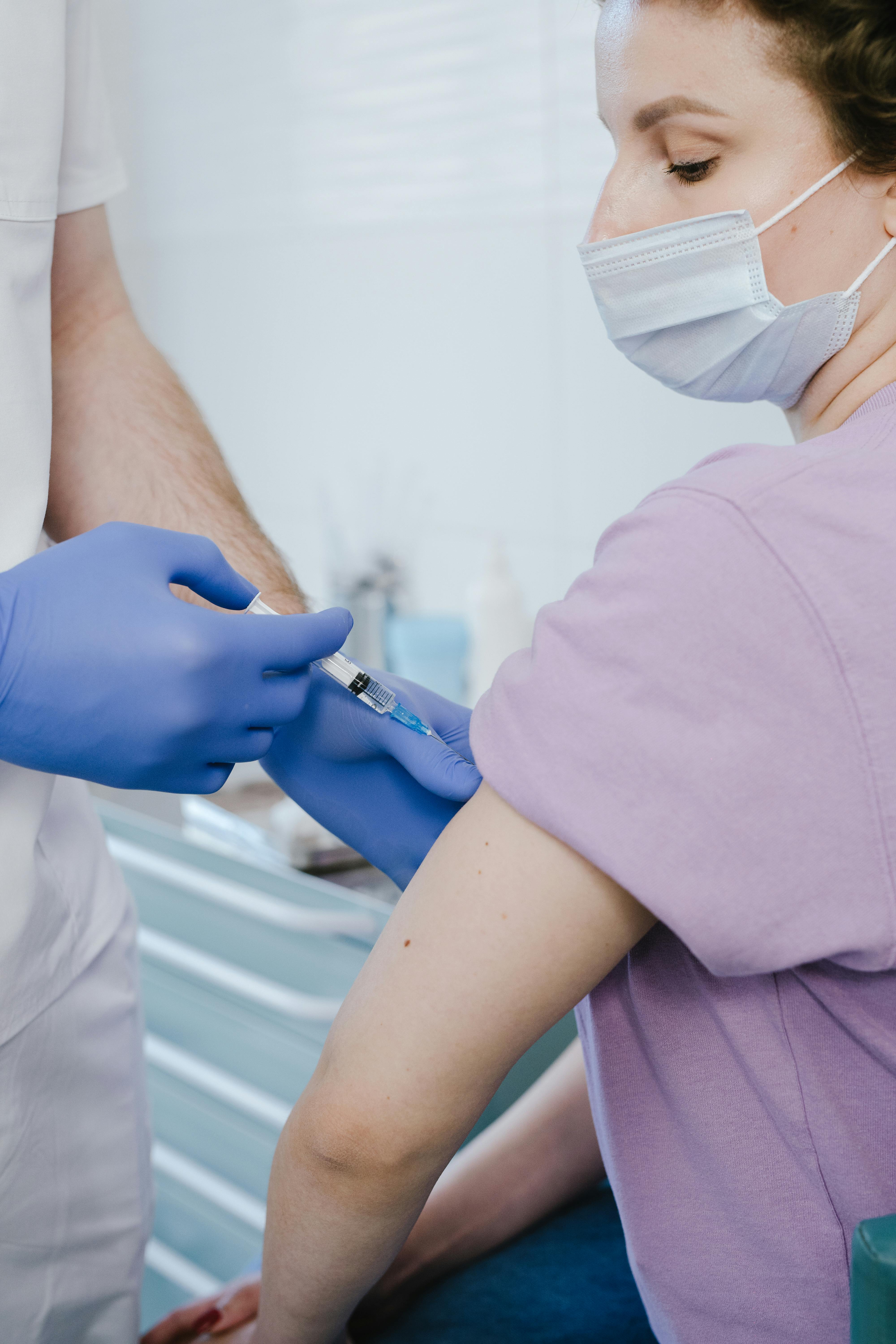
Flu shots are widely available this fall, typically free or low-cost with insurance, at pharmacies and doctors' offices. If you live in one of the affected Western states, waiting until the usual late-October target may mean getting protected after, rather than before, flu activity peaks in your community.