Tuesday, September 15, 2026Independent, original journalismSome links are advertising or affiliate links. How we make money
Independent reviews, guides and reporting.
★0saved articles
Outdoor
How-To
Campsite and hiking safety: what to check before you set off
Most backcountry incidents trace back to a small number of preventable gaps in planning, not to bad luck alone.
By THRYV Life Desk·Published June 30, 2026·Updated July 3, 2026·6 min read
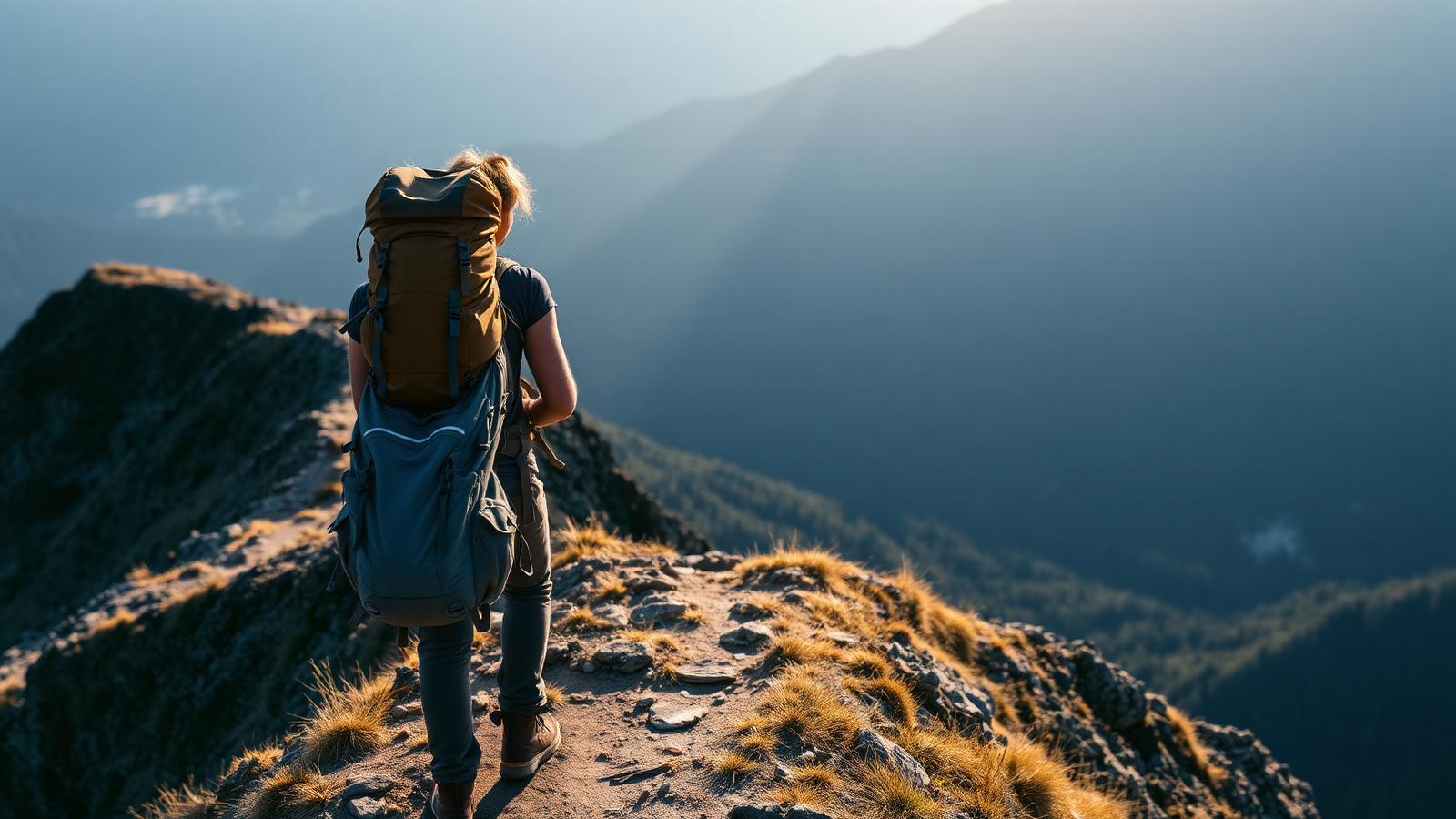
Outdoor · Illustration commissioned for THRYV. Photography is replaced with original imagery as each story is produced.
The takeaway
Reliable campsite and hiking safety comes down to route planning, weather checking, navigation redundancy and telling someone your plan. This guide lays out a practical pre-trip checklist covering navigation, communication, water safety and campsite selection. It is general planning information, not a substitute for local ranger guidance or professional wilderness training.
Search and rescue services consistently report that a small set of preventable gaps, rather than unpredictable bad luck, account for most backcountry incidents: no one knew the plan, no backup navigation existed, or the weather forecast was checked once and never again. A methodical pre-trip routine closes most of that gap for a modest amount of time.
Before you leave: the non-negotiables
Share a written trip plan with someone not coming, including the route, expected return time and what to do if you have not checked in by a set time.
Check the forecast the morning of departure, not only when booking, since mountain and backcountry weather can shift meaningfully within days.
Carry navigation redundancy: a paper map and compass in addition to a phone or GPS device, since batteries fail and signal is unreliable in remote terrain.
Confirm any permit, fire restriction or trail closure notices for the specific area, which are usually posted by the managing land agency.
Choosing a campsite
Established, previously used sites reduce environmental impact and are typically already vetted for basic hazards such as drainage and widowmaker branches overhead. Where a site must be chosen from scratch, look up rather than only down: standing dead trees and heavy overhead branches, sometimes called widowmakers, are a recognised cause of campsite injury and death, and camping under them should be avoided regardless of how flat and appealing the ground looks.
Avoid low-lying areas prone to flash flooding, particularly dry creek beds and canyon bottoms.
Keep a sensible distance from water sources both for wildlife access reasons and to avoid contaminating them.
Check for cell signal or an emergency beacon plan before assuming help can be reached quickly if needed.
Note the fastest route out in the dark before nightfall, not after.
General guidance, not professional wilderness training
Terrain, wildlife and weather risks vary significantly by region. Consult the managing land agency, a certified guide, or a wilderness first aid course for location-specific safety guidance.
Water safety
Natural water sources, however clear, can carry pathogens that cause serious illness, and boiling, filtering or chemical treatment is standard guidance for backcountry water regardless of apparent clarity. River crossings deserve particular caution: moving water only knee-deep can knock an adult off balance, and crossing with trekking poles and unbuckled pack straps, so the pack can be shed quickly, is widely recommended practice.
Weather-specific risks
Afternoon thunderstorms are common in many mountain regions during summer, which is why early starts and being off exposed ridgelines by early afternoon is a standard piece of guidance in storm-prone terrain. Hypothermia risk exists even in temperatures well above freezing when wind and wet clothing combine, and recognising early signs such as shivering and confusion in a hiking partner matters more than the thermometer reading alone.
What to carry, at minimum
Navigation: map, compass, and a charged device with offline maps as backup.
Illumination: a headlamp with spare batteries, even for planned day trips.
First aid supplies appropriate to trip length and group size.
Emergency shelter, such as a lightweight bivy or space blanket, even on short trips.
Extra food and water beyond the estimated requirement for the planned duration.
Almost every serious backcountry incident report contains a line that reads plan was not shared, or forecast was not rechecked. Those two habits alone prevent a disproportionate share of emergencies.
THRYV Life Desk
Sources
This article is original writing by THRYV. We link to primary reporting and official documents rather than reproducing them.
Written and edited in-house by the THRYV Life Desk. We do not republish or reword agency copy, and we do not invent quotes, statistics, testimonials or ratings. Where figures move frequently, we point you to the primary release rather than printing a number that will be out of date. Advertising and affiliate partnerships have no influence on our reporting — see our editorial standards, fact-checking policy and affiliate disclosure. Spotted an error? Write to newsroom@thryv-news.com.
General information only. Not personalised financial, medical or legal advice.
Hydrostatic head numbers and breathability figures on a jacket label are testable, comparable specifications, not marketing adjectives, once you know how to read them.
The set is sold on a photograph taken in June. What decides whether you still own it in five years is the material and whether parts are sold separately.