Tuesday, September 15, 2026Independent, original journalismSome links are advertising or affiliate links. How we make money
Independent reviews, guides and reporting.
★0saved articles
Fashion
How-To
How to check a textile care label before you buy, not after
Fabric composition and care symbols are regulated information printed on nearly every garment, and reading them before purchase avoids most fast-fashion disappointments.
By THRYV Life Desk·Published July 21, 2026·Updated July 24, 2026·6 min read
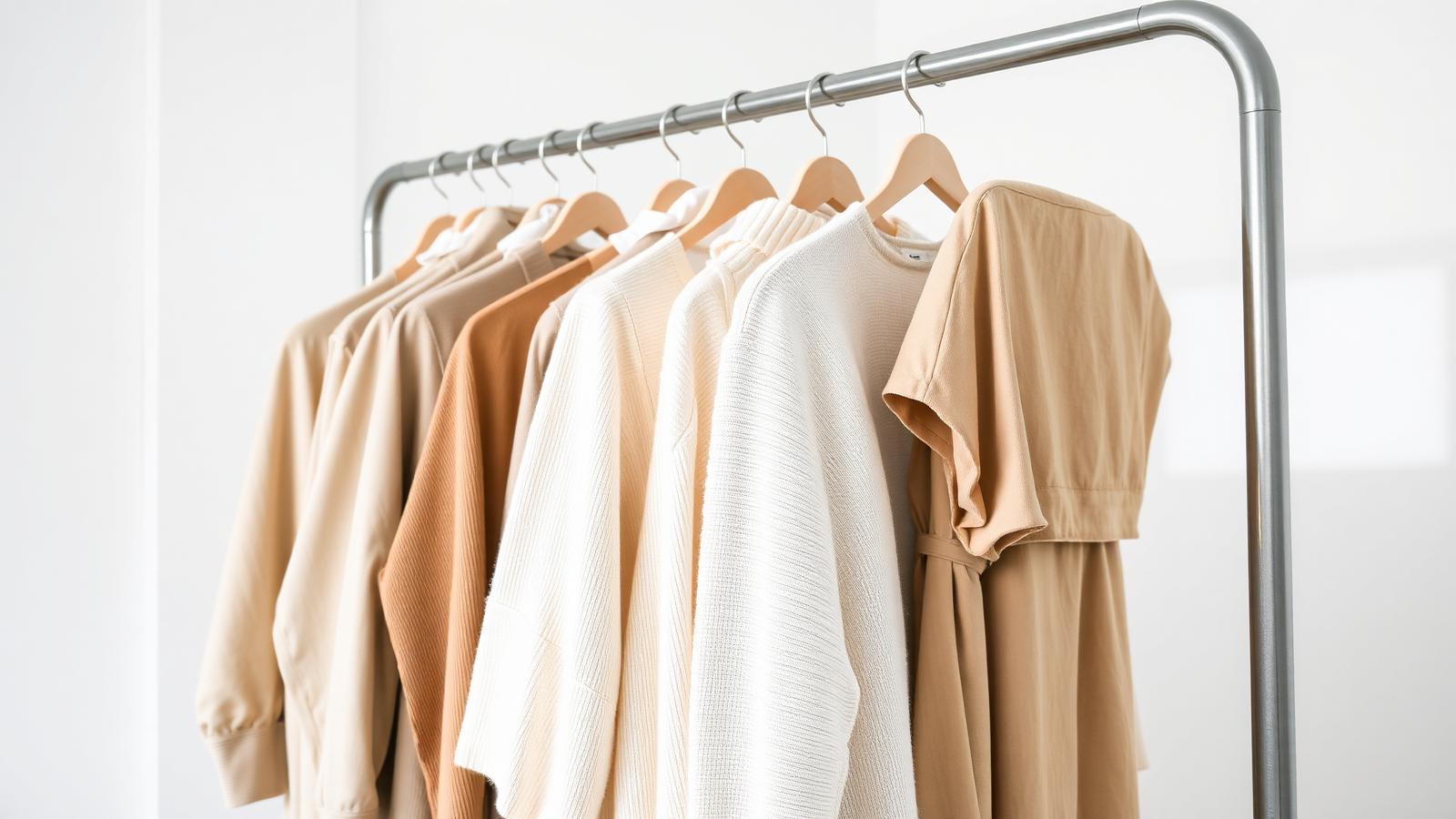
Fashion · Illustration commissioned for THRYV. Photography is replaced with original imagery as each story is produced.
The takeaway
Fibre content labelling is legally required in most major markets, including under EU textile labelling regulation and US Federal Trade Commission rules. Care symbols follow an internationally recognised system standardised through ISO, though regional variants exist. Reading composition and care information before buying predicts longevity and maintenance cost better than price alone. This guide explains what the label is required to tell you and how to use it while shopping.
A garment's care label is one of the few pieces of information in a shop that is genuinely regulated rather than marketing copy. Fibre content and, in most jurisdictions, country of origin must be disclosed, and the care symbols follow a standardised international system rather than a brand's own invention.
What the label is legally required to say
In the European Union, the Textile Regulation requires fibre composition to be listed by percentage weight for the whole garment, with certain small parts exempted. In the United States, the Federal Trade Commission's Textile and Wool Acts require similar fibre content disclosure along with country of origin and manufacturer identification. These requirements exist so buyers can compare garments on a consistent basis rather than relying on a brand's description.
How the international care symbol system works
Care symbols — the washtub, triangle, iron, circle and square icons — follow a system standardised internationally through ISO 3758, adopted with regional variations by national bodies such as GINETEX in Europe and the American Association of Textile Chemists and Colorists' system used on many US labels. The core symbols and their general meaning (wash, bleach, dry, iron, professional care) are broadly consistent across systems, even where exact numbers and dot conventions differ slightly.
Reading the wash symbol
A number inside the washtub indicates the maximum recommended temperature in Celsius; a hand inside the tub indicates hand-wash only; a crossed-out tub means do not wash by any method. Bars beneath the tub indicate a reduced mechanical action cycle, relevant for delicate fibres.
What composition tells you before you buy
Natural fibres such as cotton, wool and linen generally breathe better and biodegrade more readily, but often require more careful, higher-maintenance laundering.
Synthetic fibres such as polyester and nylon tend to resist wrinkling and dry faster, but can pill, retain odour more readily, and shed microplastic fibres during washing.
Blends attempt to balance these properties; the dominant fibre by percentage usually drives how the fabric behaves in practice.
A high percentage of elastane or spandex, even in single digits, significantly affects how a garment recovers its shape after wear and washing.
Using the label as a purchase filter
Before buying, check whether the required care matches your actual laundry routine and equipment. A garment that specifies dry-clean only or hand-wash only carries an ongoing cost and inconvenience that is easy to underestimate at the point of purchase, and that cost should factor into a genuine price comparison against a machine-washable alternative.
Read fibre composition first; it predicts durability, comfort and maintenance more reliably than brand name or price.
Match the required care method to your actual routine before, not after, buying.
Treat a high proportion of a delicate or high-maintenance fibre as part of the true cost of the garment.
Where labels allow, prefer machine-washable options if dry cleaning access or cost is a genuine constraint.
The label on the inside seam is regulated information. The marketing on the hang tag is not.
THRYV Life Desk
Sources
This article is original writing by THRYV. We link to primary reporting and official documents rather than reproducing them.
Written and edited in-house by the THRYV Life Desk. We do not republish or reword agency copy, and we do not invent quotes, statistics, testimonials or ratings. Where figures move frequently, we point you to the primary release rather than printing a number that will be out of date. Advertising and affiliate partnerships have no influence on our reporting — see our editorial standards, fact-checking policy and affiliate disclosure. Spotted an error? Write to newsroom@thryv-news.com.
General information only. Not personalised financial, medical or legal advice.
The set is sold on a photograph taken in June. What decides whether you still own it in five years is the material and whether parts are sold separately.