Tuesday, September 15, 2026Independent, original journalismSome links are advertising or affiliate links. How we make money
Independent reviews, guides and reporting.
★0saved articles
Finance
Explainer
What a Fed rate decision actually means for your savings and loans
The headline number moves in a single afternoon. The money in your accounts moves on a much slower, more uneven schedule — and understanding the lag is most of the advantage.
By THRYV Money Desk·Published July 24, 2026·Updated July 29, 2026·7 min read
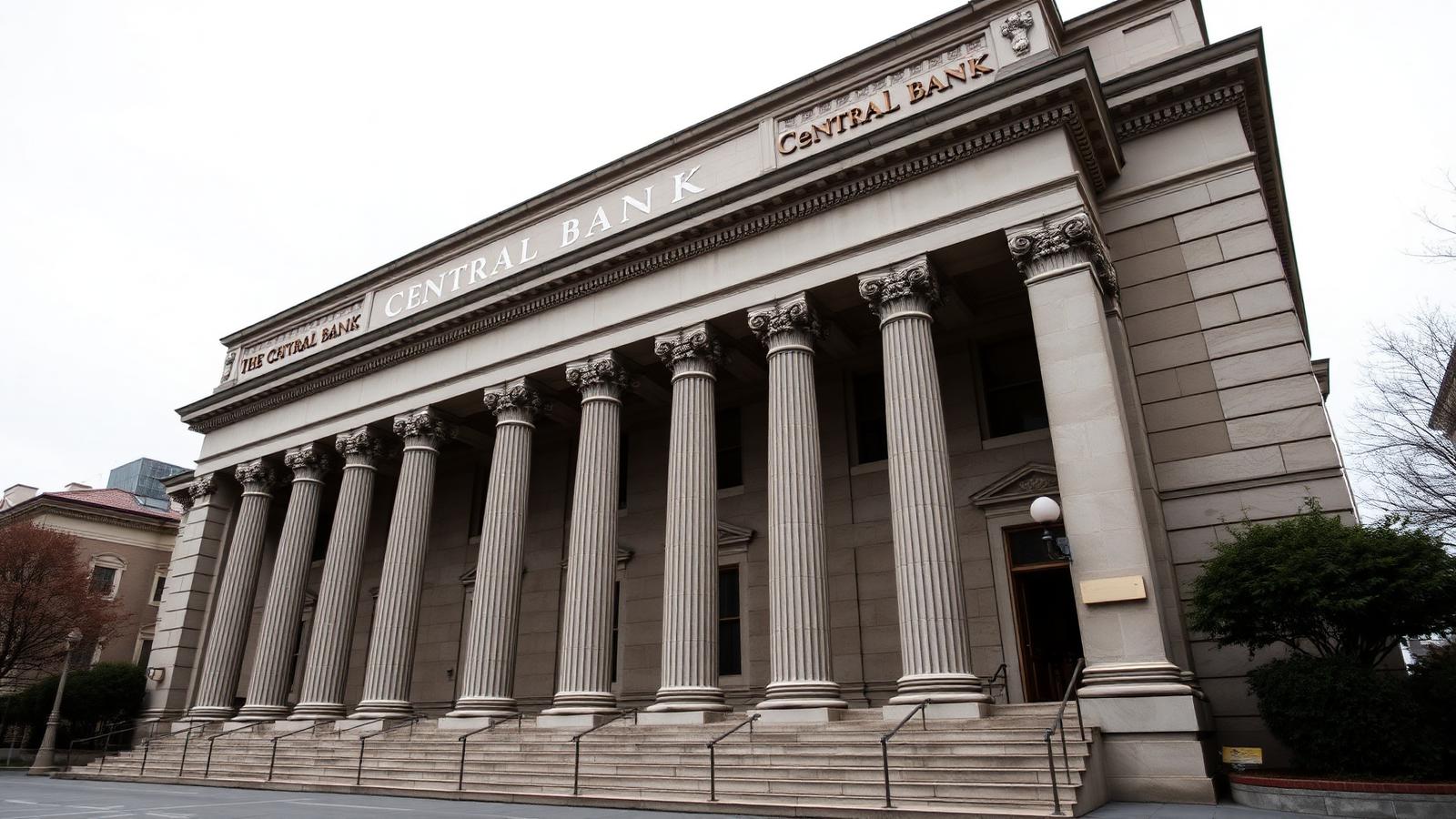
Finance · Illustration commissioned for THRYV. Photography is replaced with original imagery as each story is produced.
The takeaway
A Federal Reserve rate decision sets the price banks pay to borrow overnight, not the rate on your account. Variable borrowing costs — credit cards and many lines of credit — reprice quickly. Deposit rates move later and by less. Fixed loans barely respond at all, because they follow longer-term bond expectations instead.
Every few weeks the Federal Open Market Committee announces a decision, markets react within seconds, and the coverage tends to collapse into one sentence: rates went up, went down, or stayed put. That sentence is accurate and almost useless for a household trying to work out what happens to a savings balance, a card balance and a mortgage application that is already in progress.
The useful way to read a rate decision is as a change in the price of very short-term money between banks. Everything you personally pay or earn is downstream of that price, and each channel downstream has its own speed, its own competitive pressure and its own contractual rules.
What the Fed actually sets
The Committee sets a target range for the federal funds rate — the rate at which banks lend reserves to one another overnight — and supports that range with administered rates it pays and charges directly. It does not set mortgage rates, deposit rates, or the APR printed on a credit card agreement. Those are commercial decisions made by individual lenders, constrained by funding costs, competition and regulation.
The one-line version
The Fed changes the wholesale price of money. Your bank decides, separately and at its own pace, how much of that change to pass on to you — and it usually passes on increases in what you pay faster than increases in what you earn.
The three speeds of transmission
1. Fast: variable-rate borrowing
Most credit cards and many home equity lines are contractually tied to the prime rate, which commercial banks move almost mechanically alongside the Fed's target. When a card agreement says the APR is prime plus a margin, a change in the target range typically shows up on a statement within one or two billing cycles. There is no discretion involved; the formula does the work.
2. Slower and partial: deposit rates
Savings and money market rates are discretionary. A bank raises them when it needs deposits and delays when it does not. Institutions with large, sticky retail deposit bases have historically had the least reason to move quickly, while online-only banks and newer entrants compete on rate because it is one of the few levers they have. The practical consequence is that the gap between the best and the average savings rate tends to widen after a hiking cycle and compress after a cutting cycle.
3. Barely, or in advance: fixed-rate loans
A 30-year fixed mortgage is priced off longer-dated Treasury yields and mortgage-backed securities, which reflect where investors expect policy and inflation to be over years, not what the Committee did this afternoon. This is why fixed mortgage rates sometimes fall on the day of a rate rise: the market had already priced the move and reacted instead to the guidance about what comes next.
The Fed changes the wholesale price of money. Your bank decides, separately, how much of that to pass on — and when.
THRYV Money Desk
What to do with the information
Check what your borrowing is actually indexed to. Open the agreement and find the words 'variable', 'prime' or 'fixed'. That single detail determines whether the decision concerns you this month or not at all.
Compare your savings rate to the current range available elsewhere rather than to what you were earning last year. A rate that felt generous during a hiking cycle can quietly become uncompetitive.
Treat forward guidance as more informative than the decision itself. Longer-term borrowing costs respond to the expected path, which is what the accompanying statement and projections describe.
Avoid restructuring long-horizon plans around a single meeting. Refinancing, fixing, or moving cash all carry costs that a quarter-point rarely justifies on its own.
Where the noise comes from
Much of the confusion around rate coverage is a category error: the decision is reported as a consumer event, when it is really a wholesale one whose consumer effects are indirect, staggered and mediated by hundreds of separate commercial decisions. Reading the primary documents — the statement, the implementation note and the published projections — takes ten minutes and removes most of the ambiguity that secondary coverage introduces.
Illustrative figures are deliberately omitted here. Rates change continuously, and any number we printed would be stale before you read it; check the primary sources linked below for current values.
Sources
This article is original writing by THRYV. We link to primary reporting and official documents rather than reproducing them.
Written and edited in-house by the THRYV Money Desk. We do not republish or reword agency copy, and we do not invent quotes, statistics, testimonials or ratings. Where figures move frequently, we point you to the primary release rather than printing a number that will be out of date. Advertising and affiliate partnerships have no influence on our reporting — see our editorial standards, fact-checking policy and affiliate disclosure. Spotted an error? Write to newsroom@thryv-news.com.
General information only. Not personalised financial, medical or legal advice.
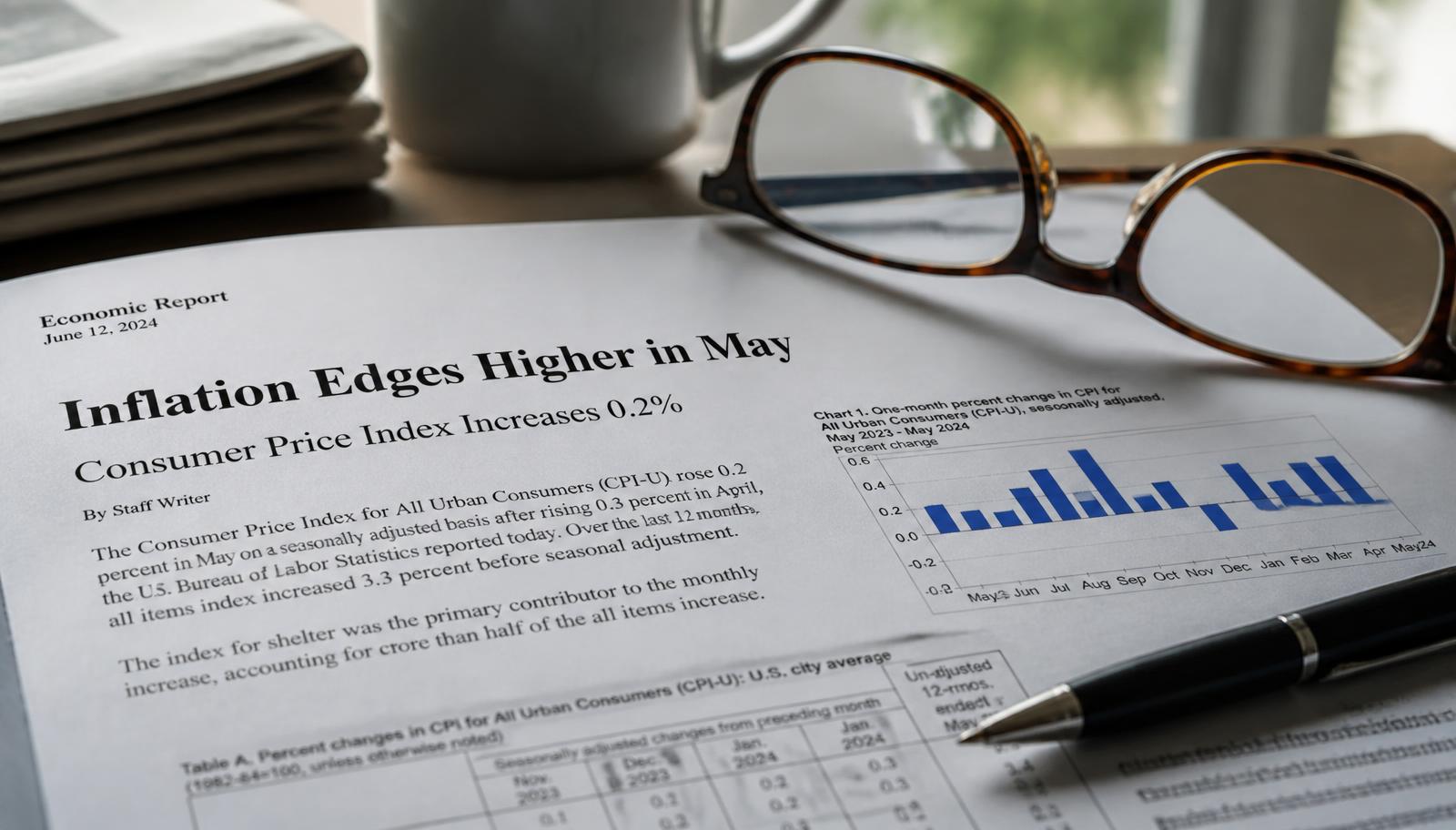
A monthly price release contains one number everybody quotes and several that actually explain what is happening. Here is the order in which to read them.