
Skip to content
Some links are advertising or affiliate links. How we make money
THRYV News

Independent reviews, guides and reporting.

Garden

How-To

Watering in a dry summer: the rules that hold when restrictions arrive

Less frequent, deeper watering builds roots that survive a hosepipe ban. Daily light sprinkling does the opposite.

By THRYV News Desk·Published August 14, 2026·Updated August 16, 2026·6 min read
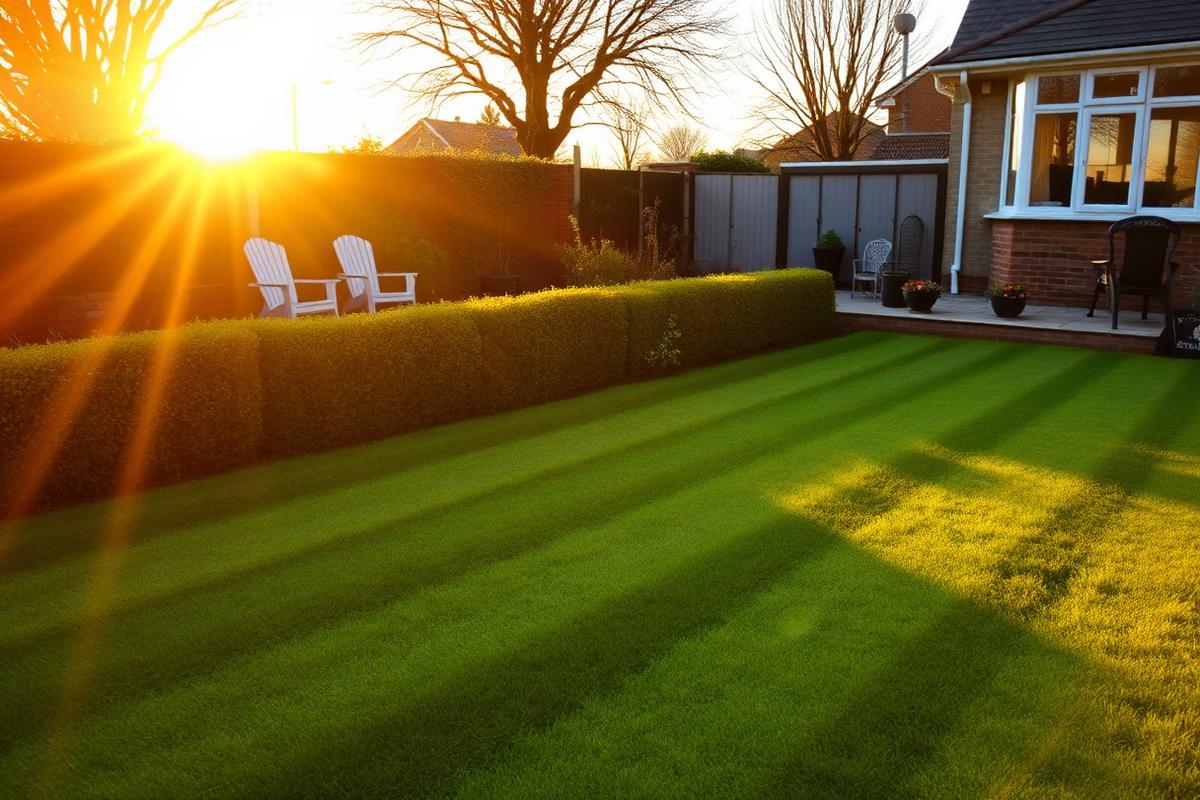
Garden — illustrative editorial photograph for: Watering in a dry summer: the rules that hold when restrictions arrive
Garden · Illustration commissioned for THRYV. Photography is replaced with original imagery as each story is produced.

The takeaway

Horticultural guidance is consistent: water thoroughly and less often, at the base of the plant, early or late in the day, and prioritise recent plantings and containers over established beds. Mulch reduces evaporation. Local water restrictions vary and are set by the supplier, not by the season.

A dry spell exposes watering habits rather than plant hardiness. Most garden losses in a hot summer follow from watering little and often, which keeps moisture in the top few centimetres of soil and leaves roots with no reason to grow deeper.

Deep and infrequent beats daily

Public horticultural bodies advise soaking the root zone and then allowing the surface to dry before watering again. The aim is to move water below the surface layer where it is lost quickest to evaporation.

Where the water goes

Water applied at the base reaches roots. Water applied over foliage in full sun is largely lost to evaporation and can encourage some fungal problems on susceptible plants.
What to prioritise when supply is limited

  • Containers and hanging baskets: no reserve of soil moisture, so they fail first.
  • Anything planted within the last two seasons: root systems are still shallow.
  • Fruiting vegetables during flowering and fruit set, when water stress reduces yield.
  • Established trees, shrubs and lawns last: lawns brown off and recover, they rarely die.

Reducing demand

  1. Mulch bare soil to slow evaporation and suppress competing weeds.
  2. Install butts on downpipes; stored rainwater is unaffected by most restrictions.
  3. Group containers so they shade one another through the hottest hours.
  4. Check the supplier's current restrictions before assuming a hose is permitted.

Restrictions are set locally and change during a season. The supplier's own notice is the authoritative source; regional guidance published in spring may already be out of date.

Sources

This article is original writing by THRYV. We link to primary reporting and official documents rather than reproducing them.

  1. Water: guidance for gardenersRoyal Horticultural Society
  2. Water conservation and drought informationUS Environmental Protection Agency WaterSense
  3. Drought status updatesUK Environment Agency

Why you can trust this article

Written and edited in-house by the THRYV News Desk. We do not republish or reword agency copy, and we do not invent quotes, statistics, testimonials or ratings. Where figures move frequently, we point you to the primary release rather than printing a number that will be out of date. Advertising and affiliate partnerships have no influence on our reporting — see our editorial standards, fact-checking policy and affiliate disclosure. Spotted an error? Write to newsroom@thryv-news.com.

General information only. Not personalised financial, medical or legal advice.

Related reading

The THRYV Brief

The market in 5 minutes, weekday mornings

Plain-English analysis, the sources behind it, and what it changes for you. Free, and you can unsubscribe any time.

Free. Unsubscribe any time. We never sell your email address.

Advertisement · Newsletter sponsorship600×120
Advertise with THRYV News — medium rectangle placement available

This position is available to a single sponsor per edition, is labelled in the email and on this page, and does not influence what the Brief covers.

Advertisement
Advertise with THRYV News — medium rectangle placement available