Tuesday, September 15, 2026Independent, original journalismSome links are advertising or affiliate links. How we make money
Independent reviews, guides and reporting.
★0saved articles
Automotive
Buying Guide
Understanding total cost of ownership before buying a car
The purchase price is usually the smallest number in the true cost of owning a car over several years.
By THRYV Money Desk·Published July 8, 2026·Updated July 11, 2026·8 min read
Affiliate disclosure
THRYV may earn a commission when you buy through links in this article. Commissions never influence our testing, scores or rankings, and commercial links are marked as sponsored. How this works.
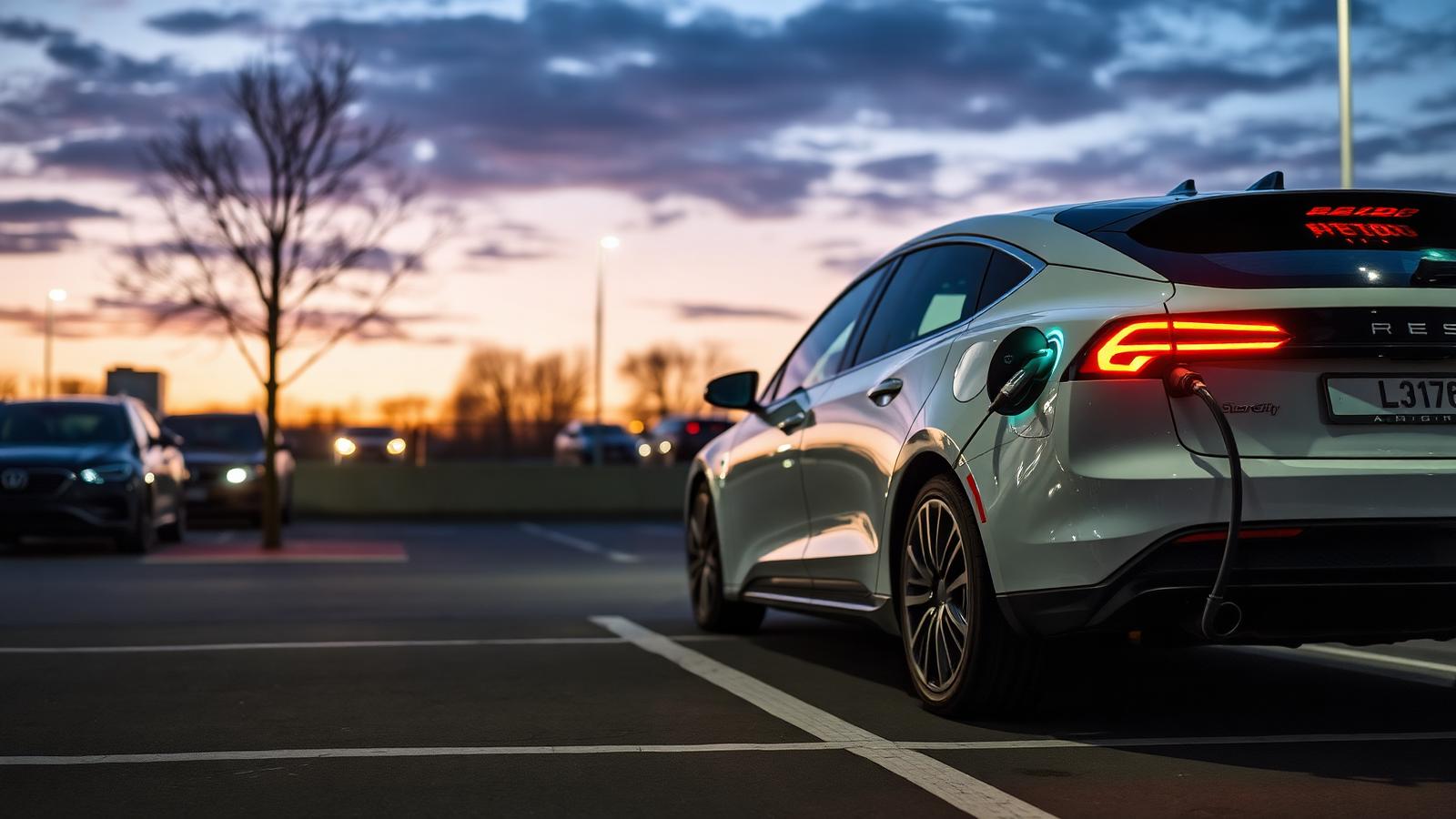
Automotive · Illustration commissioned for THRYV. Photography is replaced with original imagery as each story is produced.
The takeaway
Total cost of ownership adds depreciation, insurance, fuel or charging, maintenance, financing and taxes to the purchase price, and depreciation alone often exceeds every other category combined. Comparing two vehicles on sticker price without these categories routinely produces the wrong decision. This guide breaks down each cost category and how to estimate it before signing anything.
Two cars with the same purchase price can cost meaningfully different amounts to own over five years once depreciation, insurance, fuel and maintenance are accounted for. Total cost of ownership is the framework that captures this, and it consistently produces different rankings than purchase price alone.
Depreciation is usually the largest single category
New vehicles typically lose a substantial share of their value within the first few years, and the rate varies significantly by make, model and segment. Some vehicles hold value notably better than others in the same price bracket, which means the resale value gap between two similarly priced new cars can dwarf differences in fuel cost or maintenance over a typical ownership period. Checking projected or historical depreciation curves for a specific model, rather than assuming it tracks the market average, is one of the highest-value steps in a buying decision.
Financing costs compound the purchase price
A loan's interest rate and term determine how much is paid beyond the vehicle's price, and a longer term lowers the monthly payment while increasing total interest paid and the risk of owing more than the car is worth for longer. Comparing the total cost of a loan, not just the monthly payment, is necessary to see the real cost of a financing offer.
This is general guidance, not financial advice
Loan terms, insurance premiums and depreciation rates vary by individual circumstances and location; consult a licensed financial adviser or lender for guidance specific to your situation.
Insurance, fuel or charging, and maintenance
Insurance premiums vary substantially by model, largely reflecting repair cost, safety ratings and theft rates rather than purchase price alone, so it is worth obtaining a quote before buying rather than after.
Fuel or charging costs depend on efficiency ratings and driving patterns; official efficiency figures are a comparison tool between models rather than a guarantee of real-world consumption.
Scheduled maintenance costs differ by brand and model, with some manufacturers publishing maintenance cost estimates for the first several years of ownership.
Tyres, brakes and other wear items scale with vehicle weight and driving style, and heavier vehicles generally wear these components faster.
Taxes, fees and registration
Vehicle taxes, registration fees and, in some jurisdictions, emissions-based charges add a recurring cost that is easy to overlook when focused on the purchase transaction. These figures are usually published by the relevant transport or motor vehicle authority and are worth checking for the specific vehicle class before buying, since they can differ meaningfully between similar vehicles with different emissions profiles.
A practical way to compare two vehicles
Estimate the purchase price after any financing costs over the expected ownership period.
Add an insurance quote obtained for the specific model, not a category average.
Estimate annual fuel or charging cost using official efficiency figures and realistic annual mileage.
Add manufacturer-published scheduled maintenance costs for the expected ownership period.
Subtract an estimated resale value at the end of the ownership period, based on the model's typical depreciation curve.
Compare the resulting total across candidate vehicles rather than comparing purchase price alone.
Two cars priced identically at the dealership can diverge by a significant margin in total cost within a few years, almost entirely due to depreciation and insurance, not fuel.
THRYV Money Desk
Sources
This article is original writing by THRYV. We link to primary reporting and official documents rather than reproducing them.
Written and edited in-house by the THRYV Money Desk. We do not republish or reword agency copy, and we do not invent quotes, statistics, testimonials or ratings. Where figures move frequently, we point you to the primary release rather than printing a number that will be out of date. Advertising and affiliate partnerships have no influence on our reporting — see our editorial standards, fact-checking policy and affiliate disclosure. Spotted an error? Write to newsroom@thryv-news.com.
General information only. Not personalised financial, medical or legal advice.
Charging an electric vehicle is cheaper than fuelling a petrol car in most scenarios, but the gap is narrower, and more location-dependent, than headline comparisons suggest.