
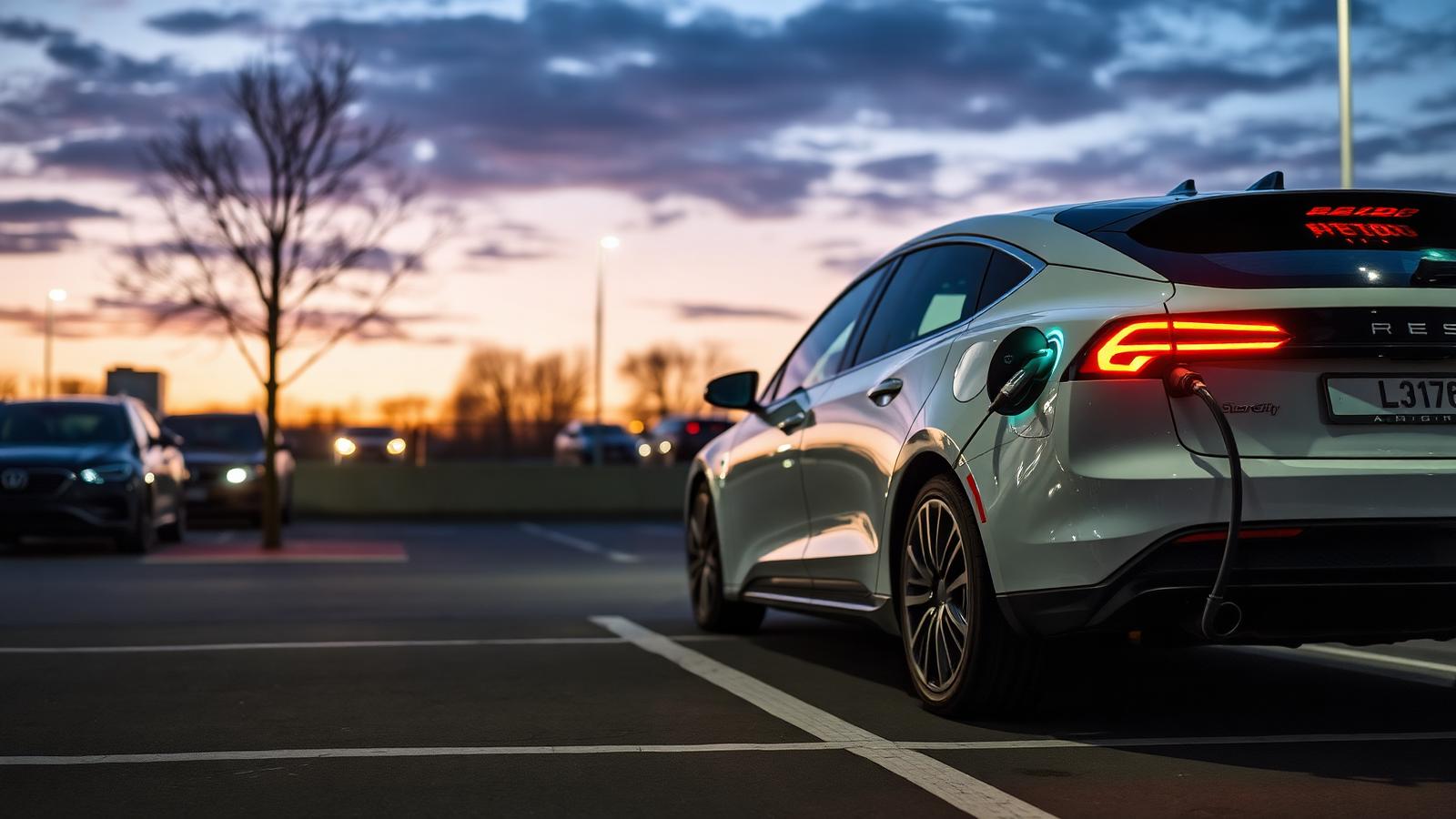
Electric vehicle running-cost comparisons often lead with a single headline figure, cost per mile versus a petrol equivalent, that can be accurate for one specific charging pattern and misleading for another. The real answer depends heavily on where the charging happens, which is a bigger variable for EVs than the equivalent question ever was for petrol cars.
Home charging is usually the cheapest option
Charging overnight on a domestic electricity tariff, particularly an off-peak or EV-specific tariff where available, is typically the lowest-cost way to run an EV, often working out to a fraction of the equivalent petrol cost per mile. This is the scenario most favourable headline comparisons are built on, and it holds well for anyone with off-street parking and home charging access.
Public charging narrows or erases the gap
Public fast and rapid charging is priced differently from home electricity and generally carries a premium reflecting the infrastructure cost of high-power charging equipment. Depending on the network, the tariff, and whether the driver holds a subscription with that network, public rapid charging cost per mile can land close to, or in some cases above, petrol cost per mile. This is a meaningful caveat for drivers without home charging access, since their realistic running cost is closer to the public-charging figure than the home-charging one.
Compare tariffs, not headlines
A single national average comparison between EV and petrol running costs obscures a wide range driven by home versus public charging access, time-of-use tariffs, and regional electricity pricing.
Battery health and degradation
Battery degradation, the gradual reduction in usable capacity over the vehicle's life, is a real phenomenon but has generally proven slower in practice than early adopters feared based on consumer electronics battery behaviour. Degradation rate depends on charging habits, climate, and battery chemistry, and manufacturers commonly publish a warranty threshold guaranteeing a minimum percentage of original capacity retained after a stated number of years or miles, which offers a useful, comparable benchmark across models.