

Four numbers decide how a machine feels after a year. Most of the others exist to differentiate models that are otherwise identical.
Laptop specification sheets are written to make near-identical machines look different. Read them in the order below and most of the manufactured distinctions disappear.
1. Sustained performance, not peak
A processor's headline speed is achieved in short bursts. What determines whether a machine stays fast during a long export or compile is the cooling system and the power limit the manufacturer allows. These are rarely printed on the specification page; independent sustained-load testing is the only reliable source.
2. Memory, and whether it is soldered
Memory capacity constrains how many applications and browser tabs a machine tolerates before it slows. Increasingly it is soldered to the board and cannot be changed later, which makes the purchase decision permanent. The manufacturer's service manual states this plainly; the sales page usually does not.
The upgrade test
Before buying, find the official service or repair manual and check two things: can the memory be replaced, and can the storage be replaced? If neither can, you are buying the machine you will still be using in four years.
3. Display
Resolution is the number that gets advertised. Panel type, sustained brightness and colour coverage decide whether the screen is comfortable in a bright room and accurate for visual work. A modest resolution on a good panel beats a high resolution on a poor one.
4. Battery capacity and charging
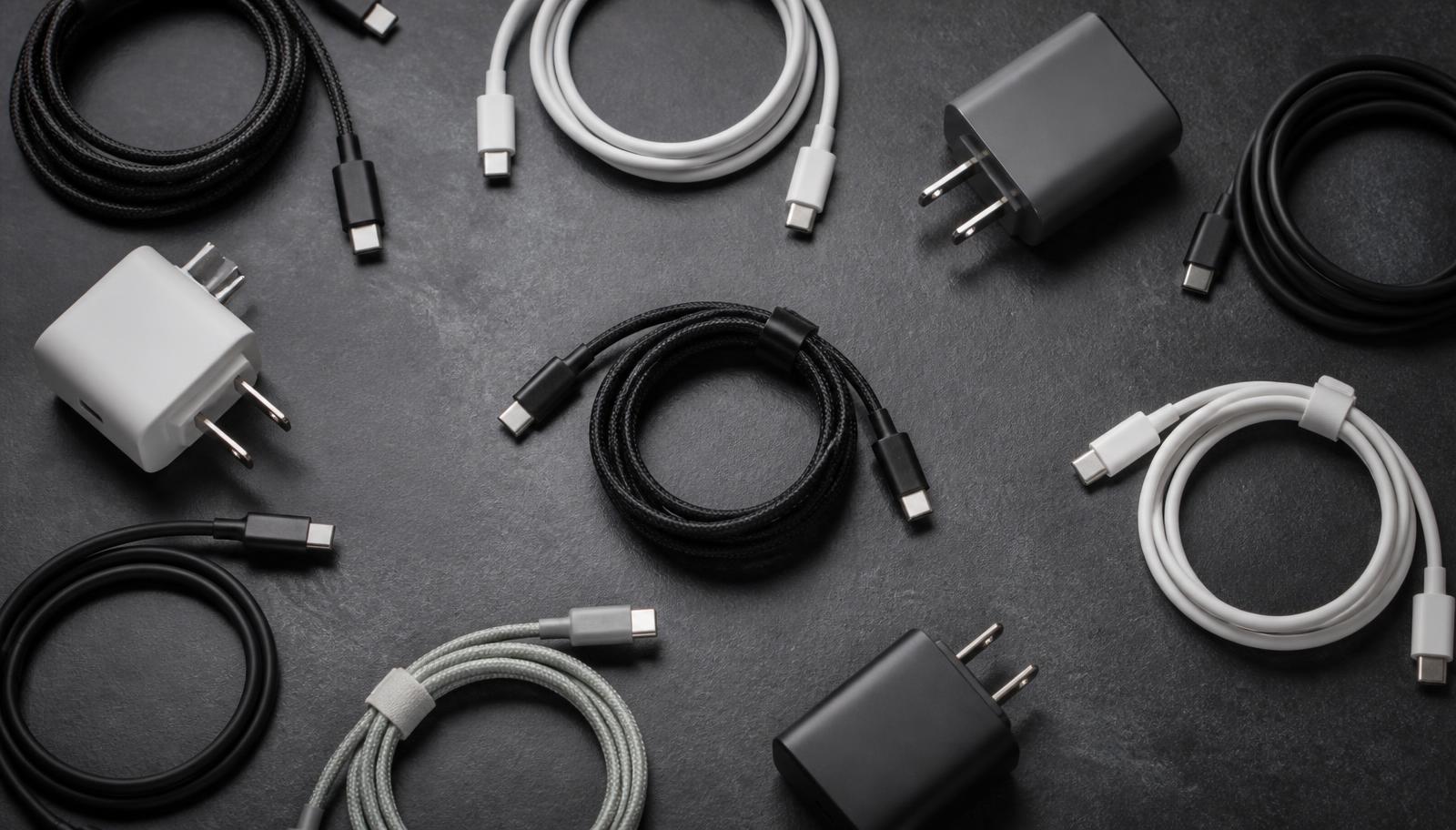
Manufacturer battery-life claims are produced under favourable conditions and are not comparable across brands. The rated capacity in watt-hours is a factual figure that is comparable. Also check the charging standard: a machine that charges over a common standard is materially more convenient than one requiring a proprietary supply.
What to ignore
- Generation numbers used as a proxy for speed across different product lines.
- Storage tiers priced far above the cost of the drive, when the drive is user-replaceable.
- Marketing names for cooling systems, audio and display technology that are not tied to a published measurement.
- Bundled software counted as value.
This guide deliberately names no models. THRYV publishes ranked hardware lists only from units it has tested against the documented protocol; that testing is in progress.
Why you can trust this article
Written and edited in-house by the THRYV Tech Desk. We do not republish or reword agency copy, and we do not invent quotes, statistics, testimonials or ratings. Where figures move frequently, we point you to the primary release rather than printing a number that will be out of date. Advertising and affiliate partnerships have no influence on our reporting — see our editorial standards, fact-checking policy and affiliate disclosure. Spotted an error? Write to newsroom@thryv-affiliate.com.
General information only. Not personalised financial, medical or legal advice.