Skip to content
Some links are advertising or affiliate links. How we make money
THRYV News

Independent reviews, guides and reporting.

Family

News

Families Are Spending Nearly $864 Per K-12 Student This Year — and the Costs Don't Stop in August

New survey data shows back-to-school costs climbing again in 2026, with pricier basics and ongoing extracurricular fees that outlast the shopping trip.

By THRYV Life Desk·Published August 27, 2026·Updated August 27, 2026·4 min read
Families Are Spending Nearly $864 Per K-12 Student This Year — and the Costs Don't Stop in August
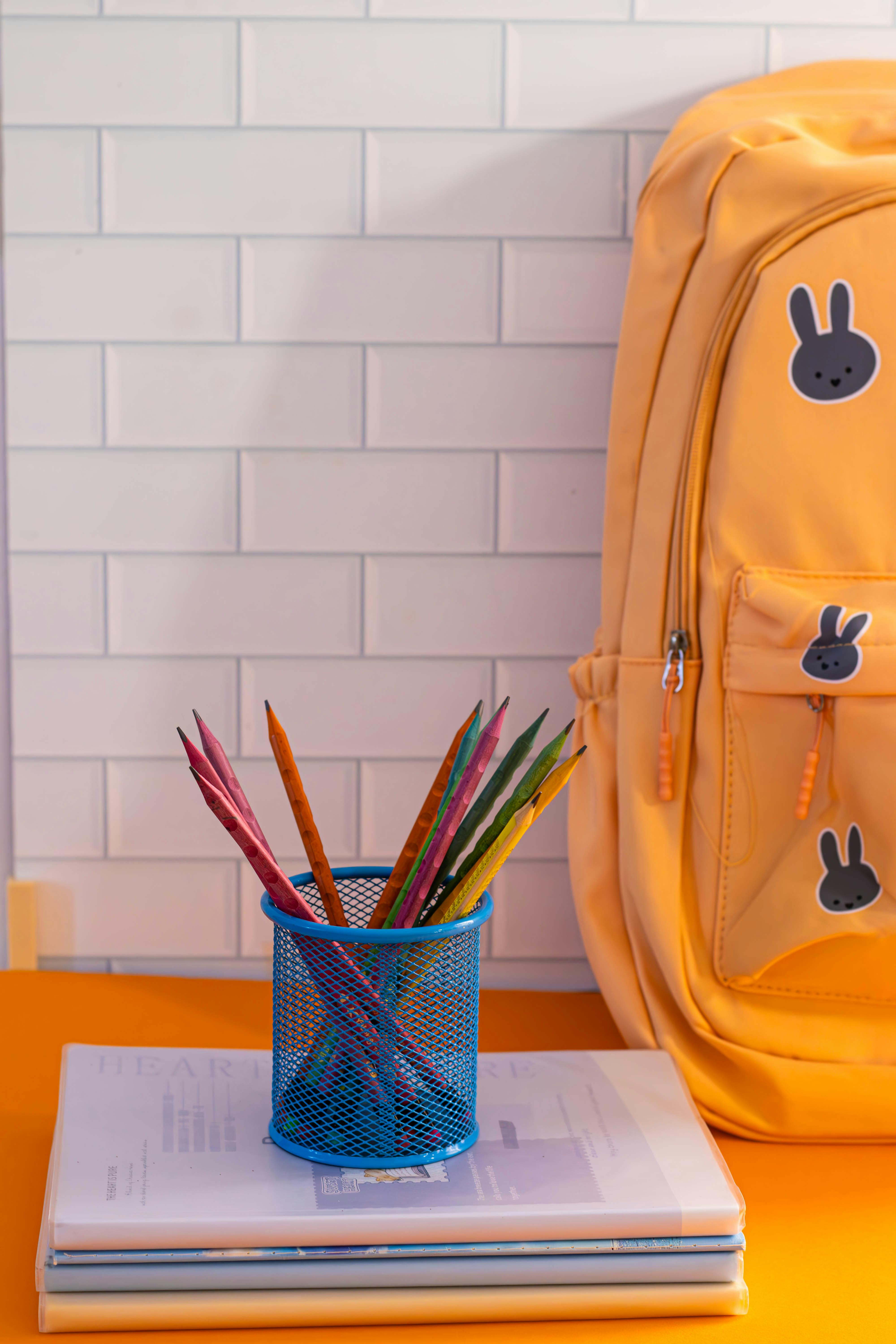
Family · Illustration commissioned for THRYV. Photography is replaced with original imagery as each story is produced.

The takeaway

The average family with K-12 students will spend $863.86 on back-to-school shopping this year, up from $858.07 in 2025, according to National Retail Federation and Deloitte survey data. College families are paying even more, averaging $1,437.79, and many report ongoing costs — sports fees, technology charges, lab fees — that continue well past the first day of school.

Families with kids in kindergarten through 12th grade are spending an average of $863.86 on back-to-school shopping this year, up from $858.07 in 2025, according to survey data from the National Retail Federation and Deloitte's 2026 back-to-school report. Nationally, that adds up to roughly $43.3 billion in K-12 back-to-school spending, up from $39.4 billion last year.

Where the money goes

  • Electronics: $293.11 average per K-12 family
  • Clothing and accessories: $250.29
  • Shoes: $174.01
  • School supplies: $146.45

College families are spending even more — an average of $1,437.79 per student, pushing total college-related back-to-school spending to an estimated $103.5 billion. The biggest college line items are electronics ($341.95), dorm and apartment furnishings ($194), clothing ($182.39), food ($153.91), and personal care items ($133.34).

Basic supplies got noticeably pricier

Some of the most common school-supply items saw sharp price increases this year: lunch boxes are up 27%, notebooks are up 23%, index cards are up 22%, and notebook paper is up 20%, according to the survey data cited in the report.

The spending doesn't stop when school starts

Several of the surveys cited in the report — including data tied to the Aspen Institute's Project Play, Northwestern Mutual, and Qualtrics/Credit Karma — point to costs that continue well past the first week of classes: sports and extracurricular fees, field trips, technology and lab fees, and activity fees. Families with a child in a primary sport spent an average of $1,016 annually on that sport alone, a 46% increase over the past five years. Music lessons alone can run $280 to $400 or more per month.

How families are paying for it

The report found 45% of parents expect to take on some debt for school-related costs this year, 48% say they've opened or plan to open a new credit card, and 45% say they're using buy-now-pay-later services to cover expenses.

The upshot for budgeting: back-to-school season isn't a single expense that ends in August. Building in room for ongoing extracurricular, technology, and supply costs through the school year can help families avoid last-minute debt.

Sources

This article is original writing by THRYV. We link to primary reporting and official documents rather than reproducing them.

  1. Back-to-school costs don't end in August: What families are paying in 2026KVIA News (Stacker)

Why you can trust this article

Written and edited in-house by the THRYV Life Desk. We do not republish or reword agency copy, and we do not invent quotes, statistics, testimonials or ratings. Where figures move frequently, we point you to the primary release rather than printing a number that will be out of date. Advertising and affiliate partnerships have no influence on our reporting — see our editorial standards, fact-checking policy and affiliate disclosure. Spotted an error? Write to newsroom@thryv-news.com.

General information only. Not personalised financial, medical or legal advice.

Related reading

The THRYV Brief

The market in 5 minutes, weekday mornings

Plain-English analysis, the sources behind it, and what it changes for you. Free, and you can unsubscribe any time.

Free. Unsubscribe any time. We never sell your email address.

Advertisement · Newsletter sponsorship600×120
Advertise with THRYV News — medium rectangle placement available

This position is available to a single sponsor per edition, is labelled in the email and on this page, and does not influence what the Brief covers.

Advertisement
Advertise with THRYV News — medium rectangle placement available