
Skip to content
Some links are advertising or affiliate links. How we make money
THRYV News

Independent reviews, guides and reporting.

Garden

Explainer

Test the soil before you buy fertiliser — most gardens do not need what they are sold

A basic test reports pH and nutrient levels. Without it, feeding is guesswork that can make growth worse.

By THRYV News Desk·Published August 12, 2026·Updated August 15, 2026·5 min read
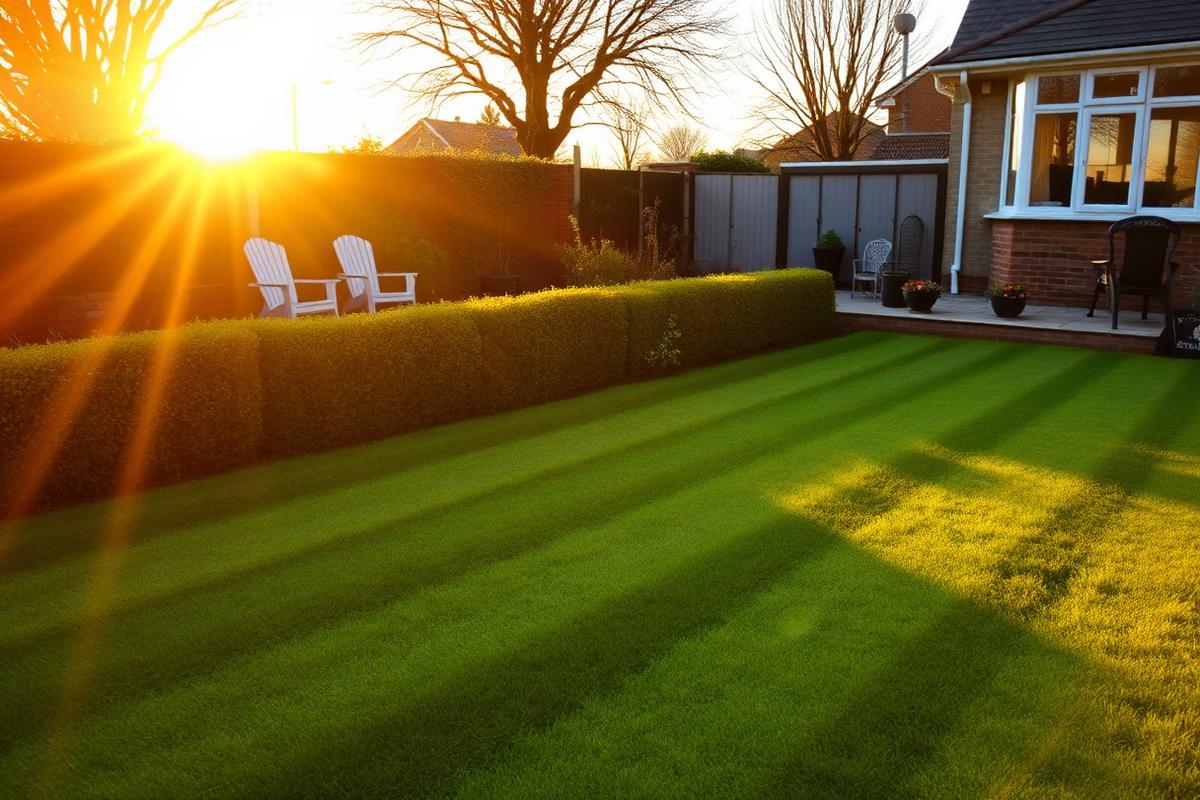
Garden — illustrative editorial photograph for: Test the soil before you buy fertiliser — most gardens do not need what they are sold
Garden · Illustration commissioned for THRYV. Photography is replaced with original imagery as each story is produced.

The takeaway

Extension services and horticultural bodies recommend a soil test before applying fertiliser. Tests report pH and major nutrient levels, which determine whether a deficiency exists at all. Over-application wastes money and contributes to nutrient runoff, which is regulated in several regions.

Fertiliser is sold as a general tonic. Agronomically it is a correction for a measured shortfall, and the measurement costs a fraction of a season's worth of product.

What a test reports

A standard laboratory test returns soil pH plus levels of the major nutrients and, usually, organic matter. pH matters independently of nutrient content: outside a workable range, nutrients present in the soil become less available to plants regardless of how much is added.

Why over-feeding backfires

  • Excess nitrogen drives soft leafy growth at the expense of flowering and fruiting.
  • Nutrients not taken up can leave the site in runoff; several jurisdictions regulate application rates for this reason.
  • Salts accumulate in container compost, which is one cause of scorched leaf edges.

Where to get a test

University extension services, national horticultural bodies and commercial laboratories all offer soil analysis. Home kits indicate pH reasonably well but are less reliable for nutrient levels.

This article does not recommend a specific product or brand. Application rates should follow the laboratory's recommendation and the product label, which is a legal document in most markets.

Sources

This article is original writing by THRYV. We link to primary reporting and official documents rather than reproducing them.

  1. Soil testingUSDA National Institute of Food and Agriculture / Extension
  2. Soil types and testingRoyal Horticultural Society
  3. Nutrient pollution: the problemUS Environmental Protection Agency

Why you can trust this article

Written and edited in-house by the THRYV News Desk. We do not republish or reword agency copy, and we do not invent quotes, statistics, testimonials or ratings. Where figures move frequently, we point you to the primary release rather than printing a number that will be out of date. Advertising and affiliate partnerships have no influence on our reporting — see our editorial standards, fact-checking policy and affiliate disclosure. Spotted an error? Write to newsroom@thryv-news.com.

General information only. Not personalised financial, medical or legal advice.

Related reading

The THRYV Brief

The market in 5 minutes, weekday mornings

Plain-English analysis, the sources behind it, and what it changes for you. Free, and you can unsubscribe any time.

Free. Unsubscribe any time. We never sell your email address.

Advertisement · Newsletter sponsorship600×120
Advertise with THRYV News — medium rectangle placement available

This position is available to a single sponsor per edition, is labelled in the email and on this page, and does not influence what the Brief covers.

Advertisement
Advertise with THRYV News — medium rectangle placement available