
Skip to content
Some links are advertising or affiliate links. How we make money
THRYV News

Independent reviews, guides and reporting.

Garden

Explainer

Planting for pollinators: what the evidence supports

Continuous flowering across the season and undisturbed nesting habitat do more than any single 'bee-friendly' plant label.

By THRYV News Desk·Published August 8, 2026·Updated August 13, 2026·5 min read
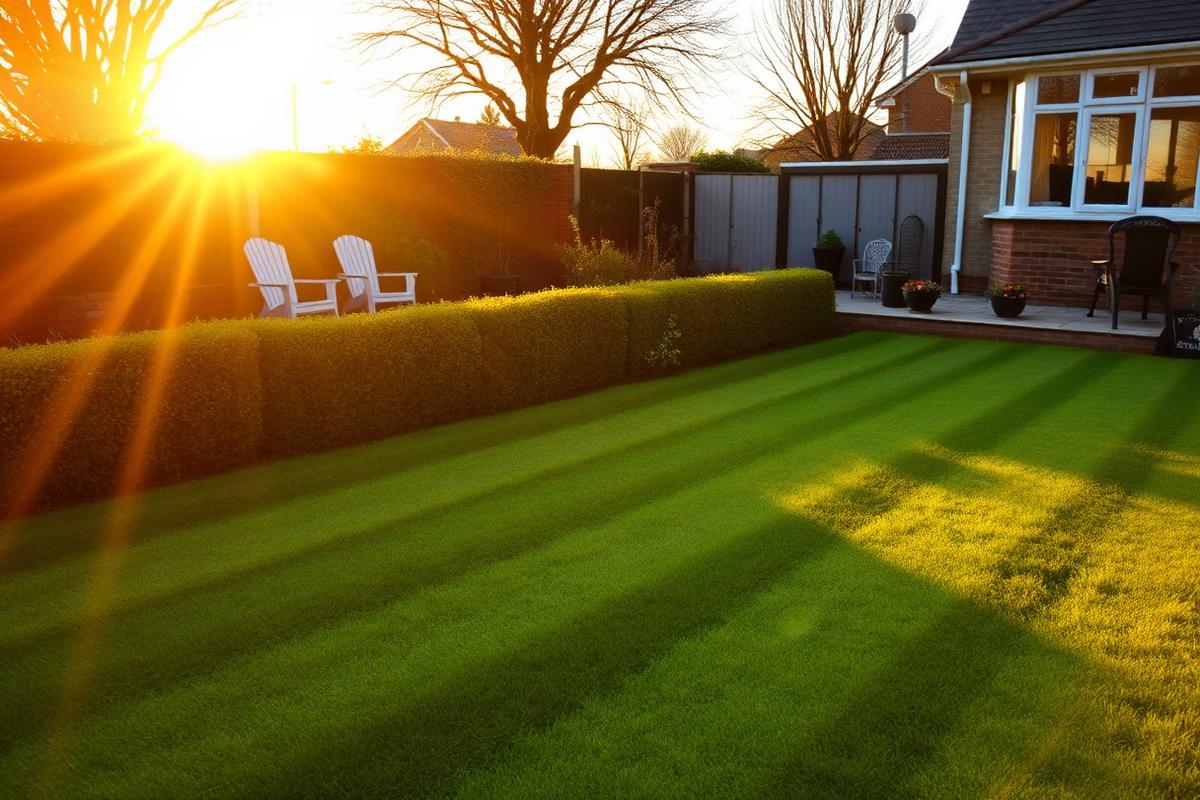
Garden — illustrative editorial photograph for: Planting for pollinators: what the evidence supports
Garden · Illustration commissioned for THRYV. Photography is replaced with original imagery as each story is produced.

The takeaway

Conservation bodies advise planting a succession of flowering species so forage is available from early spring to late autumn, leaving some bare ground and dead stems for nesting, and reducing pesticide use. Single-species planting and 'bee-friendly' labelling on their own are weak indicators.

Pollinator planting advice has become a marketing category. The underlying conservation guidance is narrower and more specific than the labels on seed packets suggest.

Season-long forage

A garden that flowers heavily in June and is bare in March and September supports far fewer insects than one with a modest but continuous succession. Early-season and late-season flowers are the scarcest resource in most domestic gardens.

Nesting matters as much as flowers

  • Many wild bee species nest in bare, undisturbed ground rather than in boxes.
  • Hollow dead stems left standing over winter provide nesting cavities.
  • Complete tidiness in autumn removes overwintering sites for a range of insects.

Pesticides

Regulators publish approved-use conditions for garden pesticides, including restrictions around flowering plants. Where a product is used at all, the label conditions are legally binding, not advisory.

Native planting

Conservation organisations generally recommend a proportion of regionally native species, because local pollinator populations are adapted to them. Regional lists are published by national bodies.

Sources

This article is original writing by THRYV. We link to primary reporting and official documents rather than reproducing them.

  1. Pollinator conservationUS Fish and Wildlife Service
  2. Plants for pollinatorsRoyal Horticultural Society
  3. EU Pollinators InitiativeEuropean Commission

Why you can trust this article

Written and edited in-house by the THRYV News Desk. We do not republish or reword agency copy, and we do not invent quotes, statistics, testimonials or ratings. Where figures move frequently, we point you to the primary release rather than printing a number that will be out of date. Advertising and affiliate partnerships have no influence on our reporting — see our editorial standards, fact-checking policy and affiliate disclosure. Spotted an error? Write to newsroom@thryv-news.com.

General information only. Not personalised financial, medical or legal advice.

Related reading

The THRYV Brief

The market in 5 minutes, weekday mornings

Plain-English analysis, the sources behind it, and what it changes for you. Free, and you can unsubscribe any time.

Free. Unsubscribe any time. We never sell your email address.

Advertisement · Newsletter sponsorship600×120
Advertise with THRYV News — medium rectangle placement available

This position is available to a single sponsor per edition, is labelled in the email and on this page, and does not influence what the Brief covers.

Advertisement
Advertise with THRYV News — medium rectangle placement available