Food
Best before, use by, sell by: what food date labels actually mean
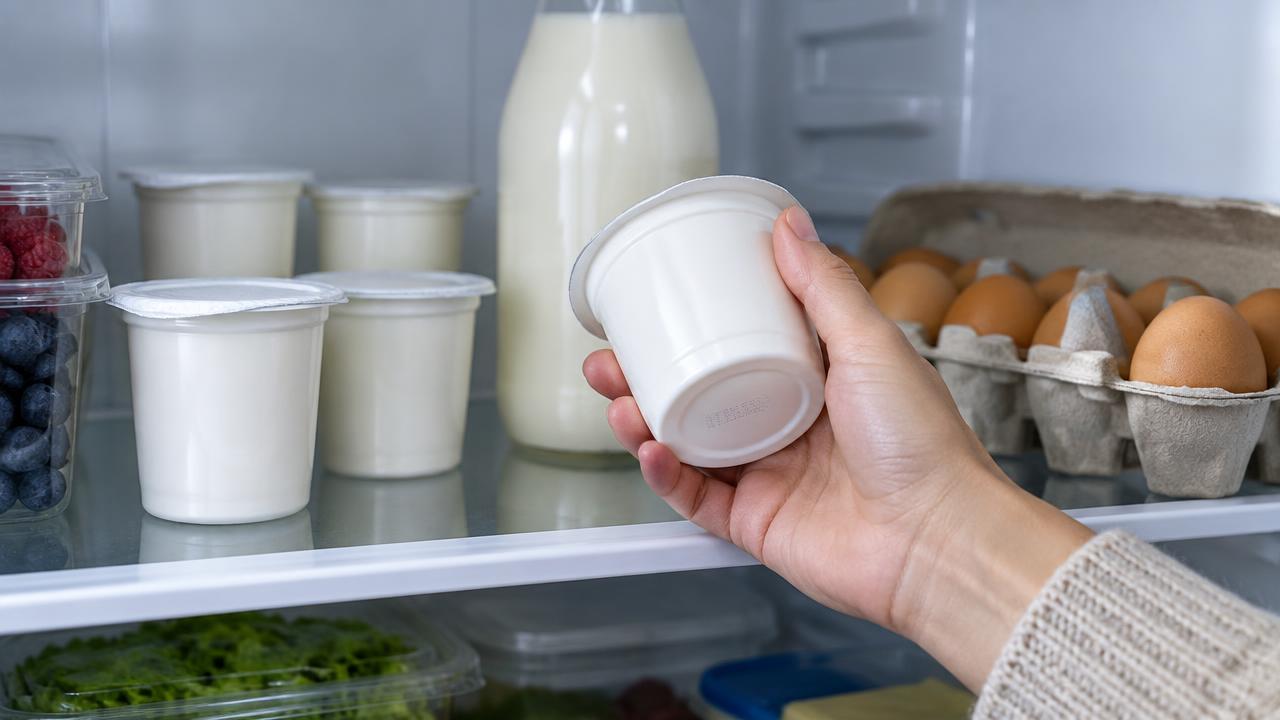
The date printed on a package is not one universal signal. Regulators define several different types, and mixing them up causes a meaningful share of avoidable food waste.

Usable capacity versus advertised litres, temperature accuracy, and how the basket survives a year of cleaning.
When you buy through links on THRYV we may earn a commission. This never affects our testing or rankings. How this works.
Nothing published until testing is finished.
Advertised capacity is measured to the rim; usable capacity is what fits in a single layer without steaming. We cook a fixed set of foods in every model, log temperature accuracy against a probe, and check coating durability after repeated cleaning cycles.
This guide is in the research stage. We will not list a "best" product before the testing round behind it is complete — an unranked page is more useful than a ranked guess. When picks go live, each one will state which sources we weighed, what it is good at, and who should buy something else instead.
Written down before any product is considered.
We write down what would make a product the right pick — and how each criterion is measured — before we look at what is on sale.
Anything we state about a product comes from our own testing or from the manufacturer's published documentation, linked on the page.
We rate each category against published criteria using manufacturer data, independent test reports, user reviews and price data. We do not claim our own hands-on tests.
We do not print a price we have not verified, and we do not treat an RRP as evidence of a discount.
Affiliate links, if present, are labelled on the page. No partner can buy a placement, a rank or a verdict.
The full process is documented in our review methodology and testing process.
The date printed on a package is not one universal signal. Regulators define several different types, and mixing them up causes a meaningful share of avoidable food waste.

A rusty, sticky, or hand-me-down cast iron pan isn't ruined — it's a project. Here's the actual chemistry and process behind a durable, low-stick seasoning layer, and how to fix one that's gone wrong.

A simple salting technique that improves almost anything you roast, grill, or pan-sear — no liquid, no fuss.
The THRYV Brief
Plain-English analysis, the sources behind it, and what it changes for you. Free, and you can unsubscribe any time.
Free. Unsubscribe any time. We never sell your email address.

This position is available to a single sponsor per edition, is labelled in the email and on this page, and does not influence what the Brief covers.